Everywhere you look, designers are leaning into texture, collage, ornament, and quirk as a quiet rebellion against uniformity and artificial perfection.
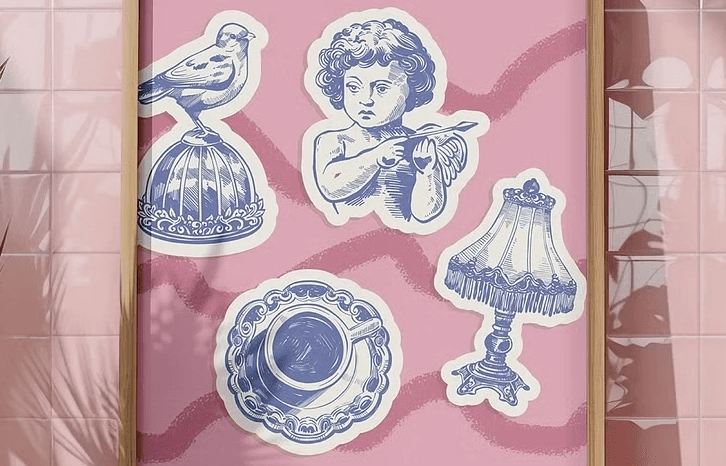
In 2026, design is showing its hands again. Think lace and silverware pulled into zine layouts, travel ephemera taped into digital pages, stitches, paper grain, candy wrappers, glassy blur, and soft serif titles that feel like a paused film frame. Everywhere you look, designers are leaning into texture, collage, ornament, and quirk as a quiet rebellion against uniformity and artificial perfection.
Across branding, packaging, social, and editorial, visuals are slowing down just enough to let us all absorb a point of view. What does it mean to be obviously humanmade? Thoughtfully authored? This year, creative industries are leaning hard into some of the undeniable marks of human inspiration: texture, individualism, asymmetry, and spontaneity.
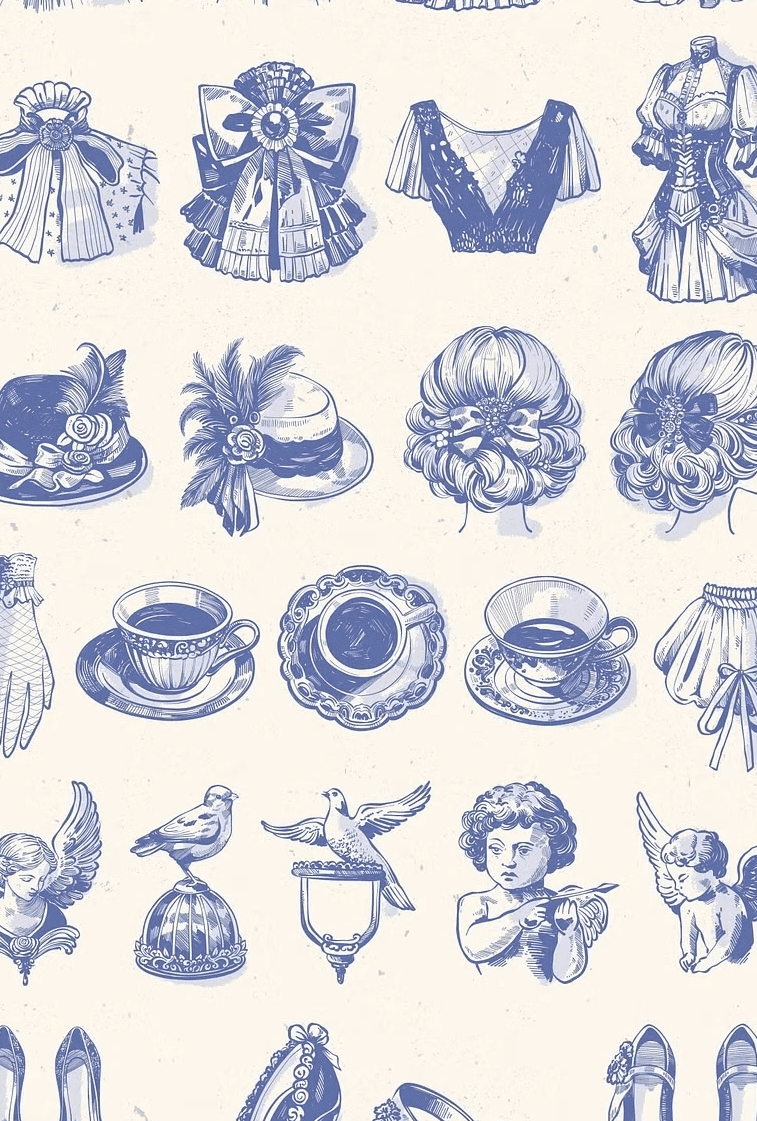
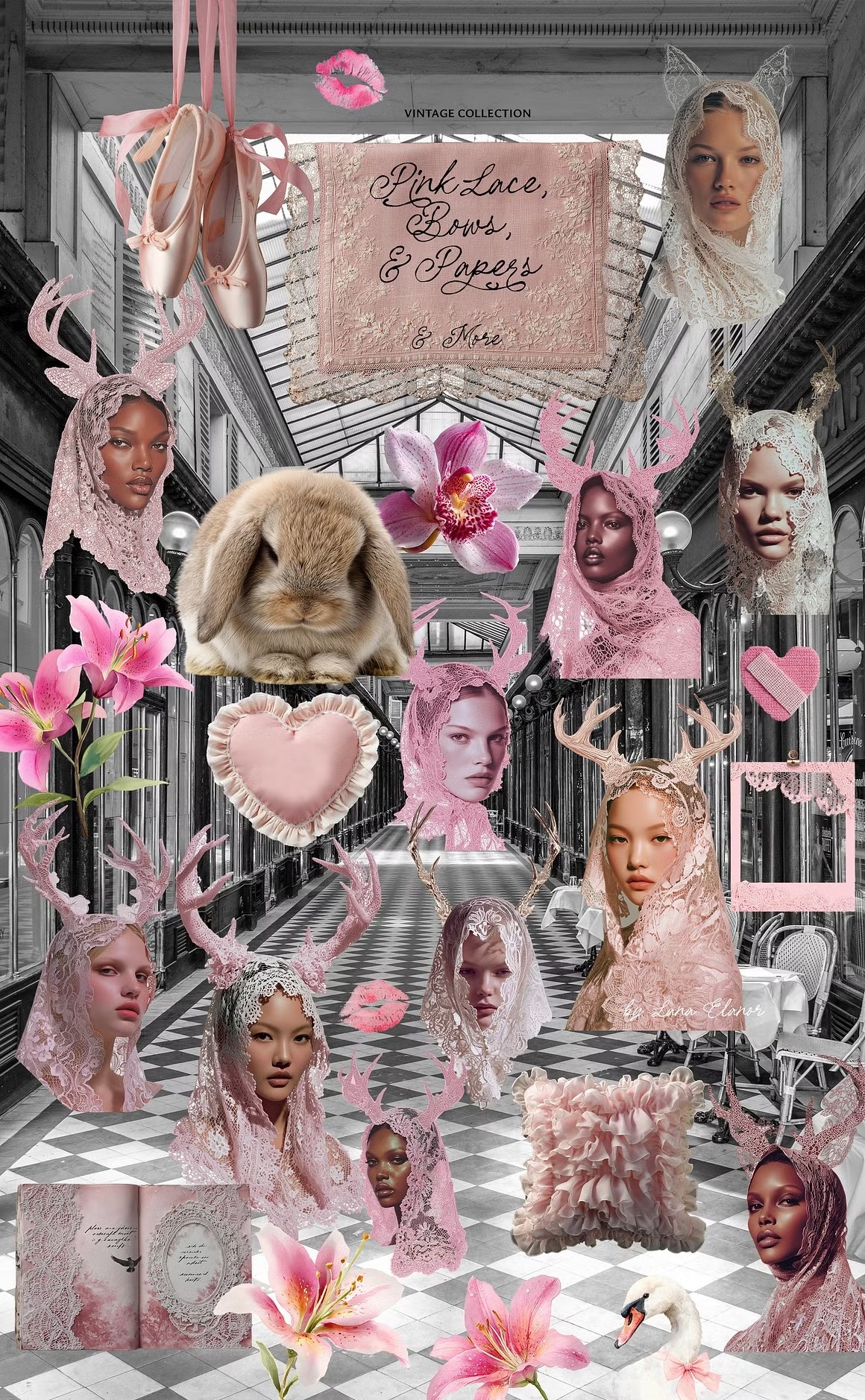
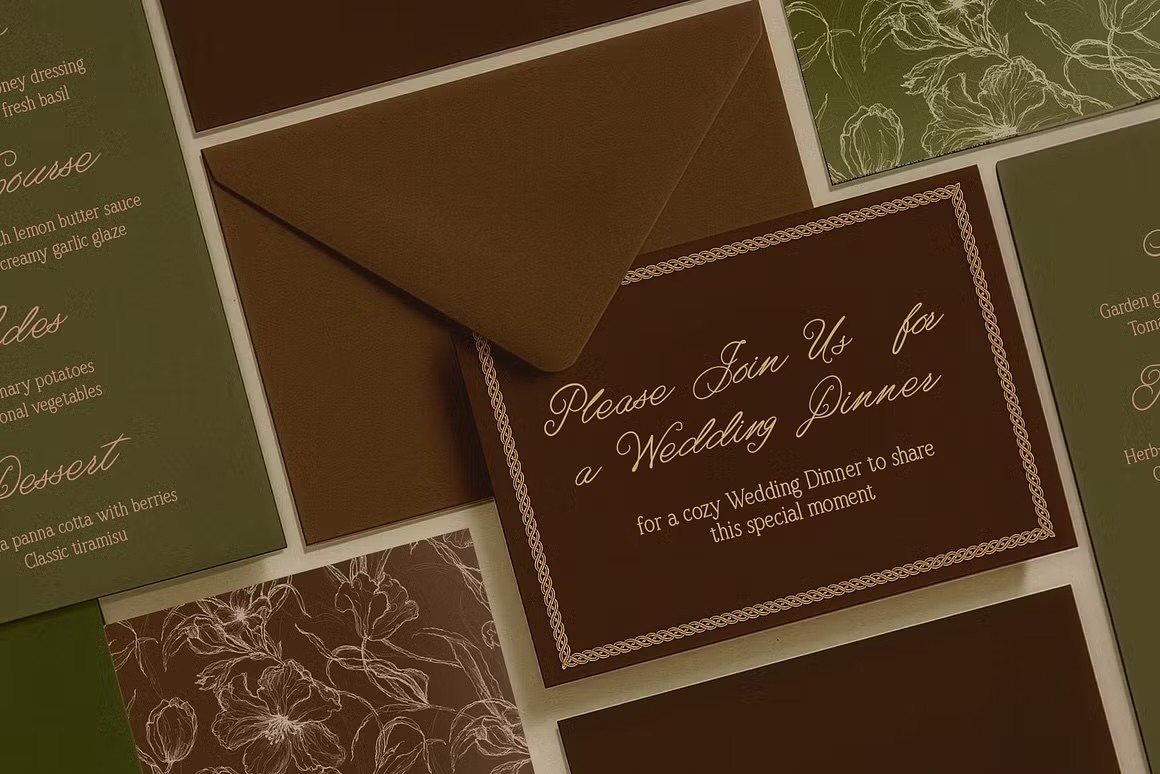
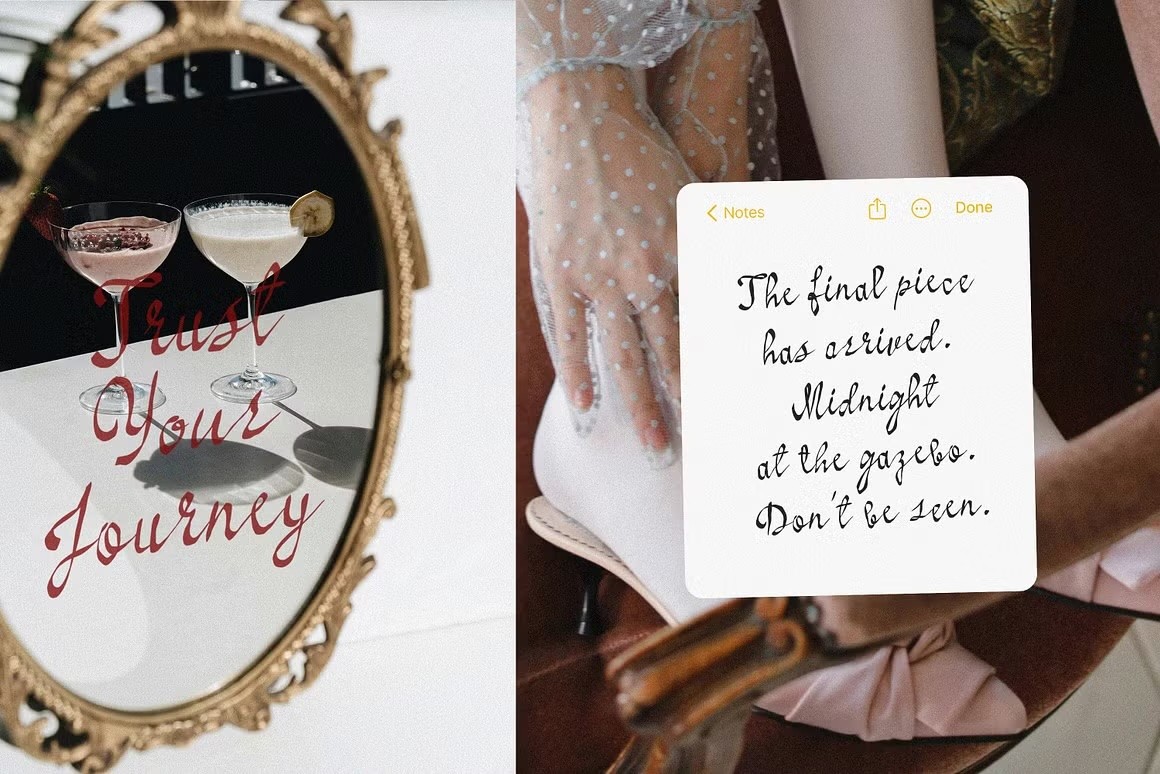
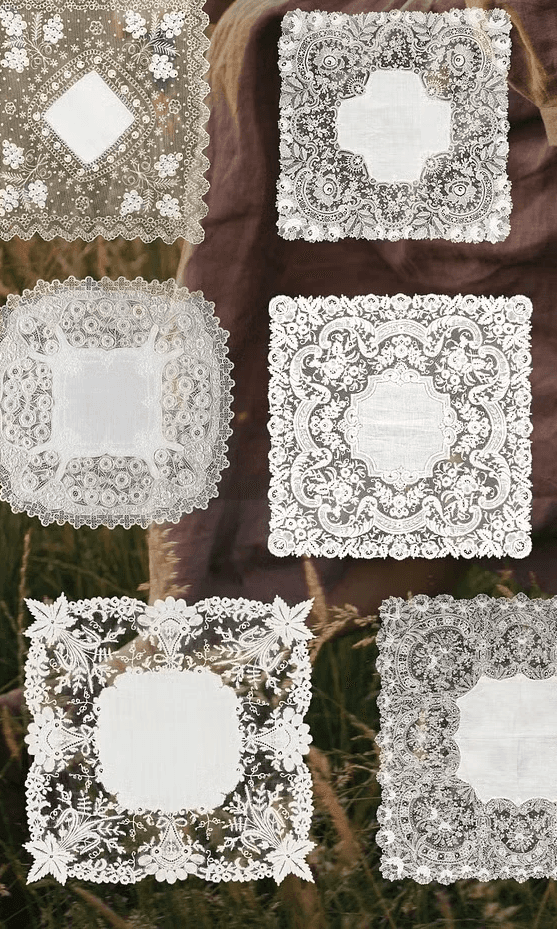
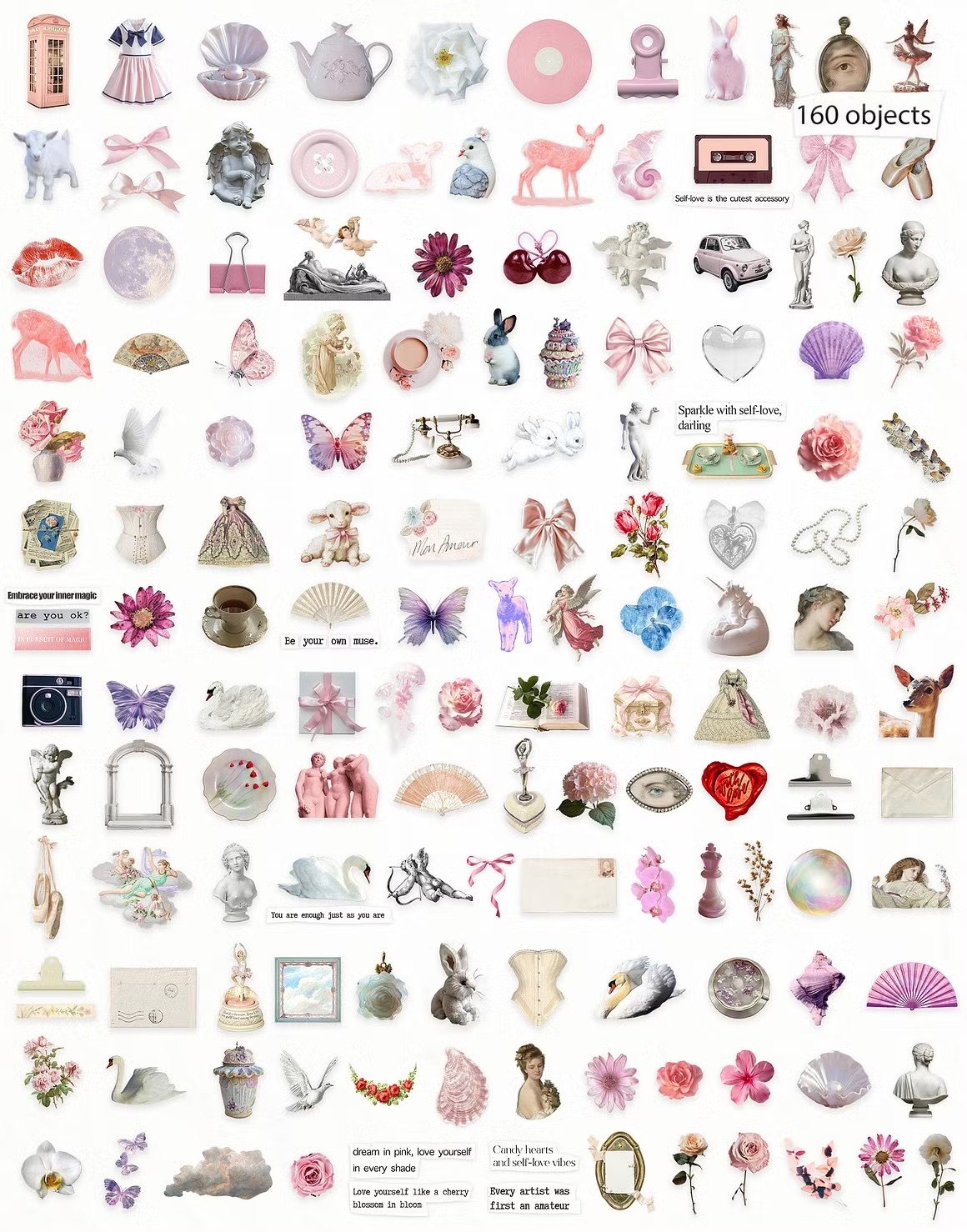
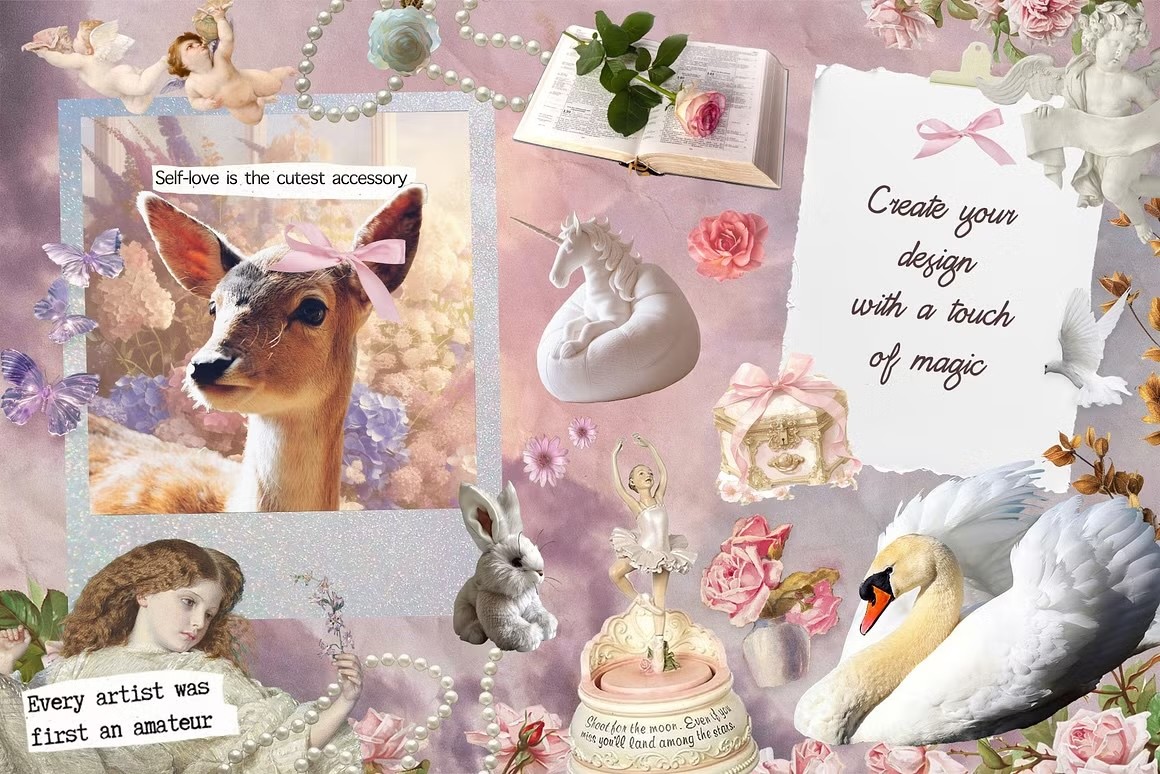
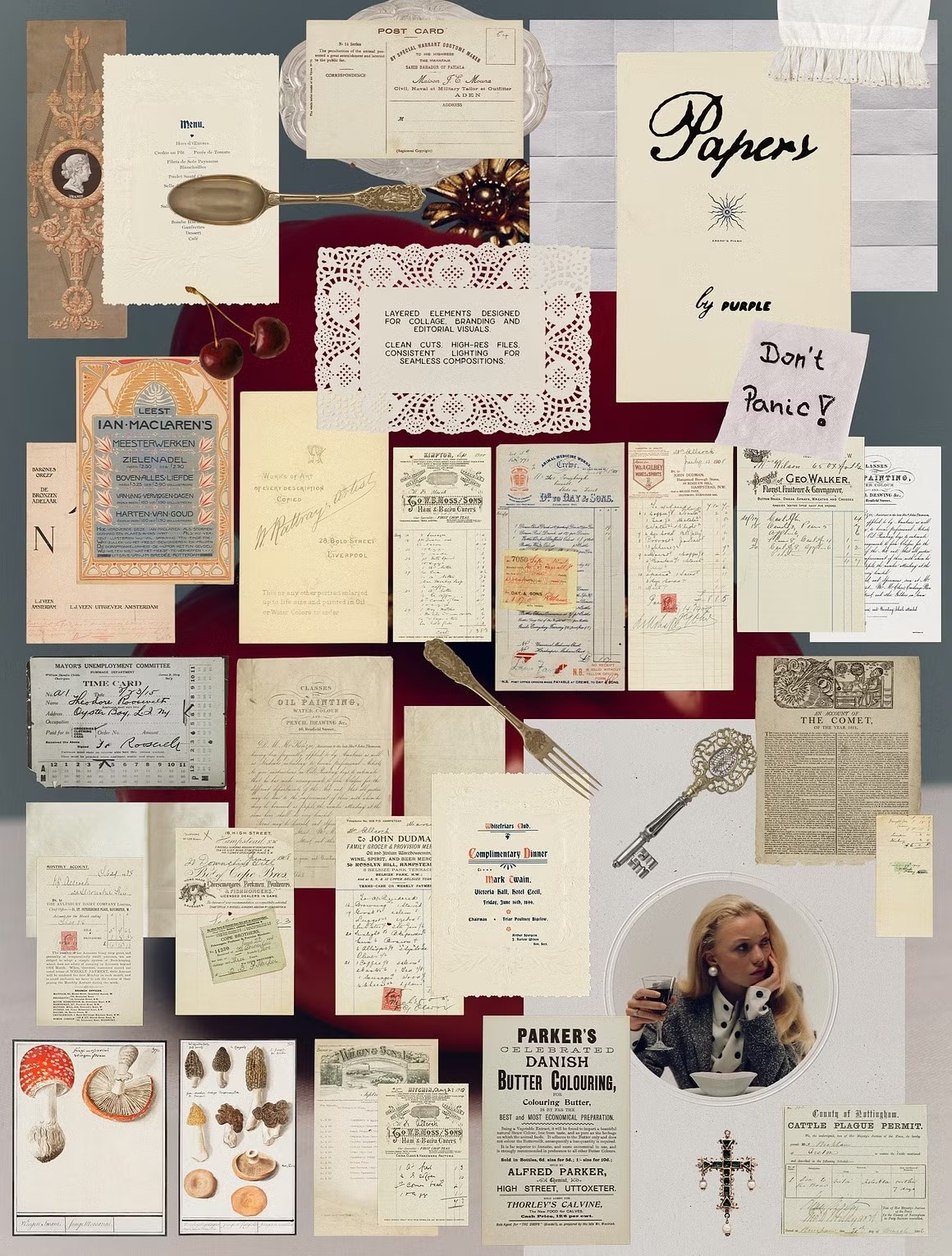
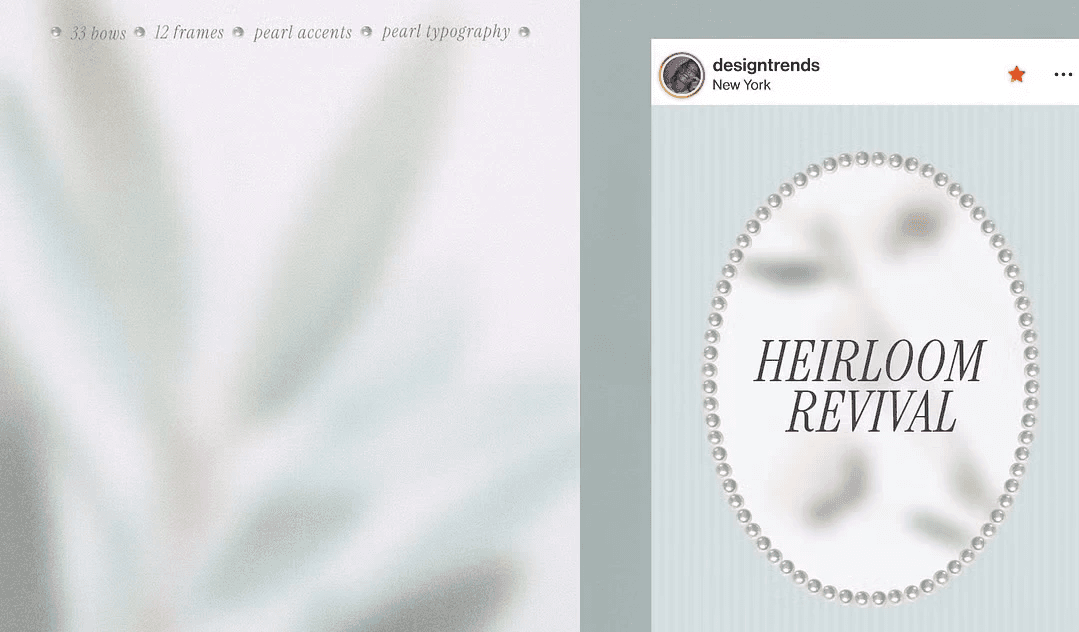
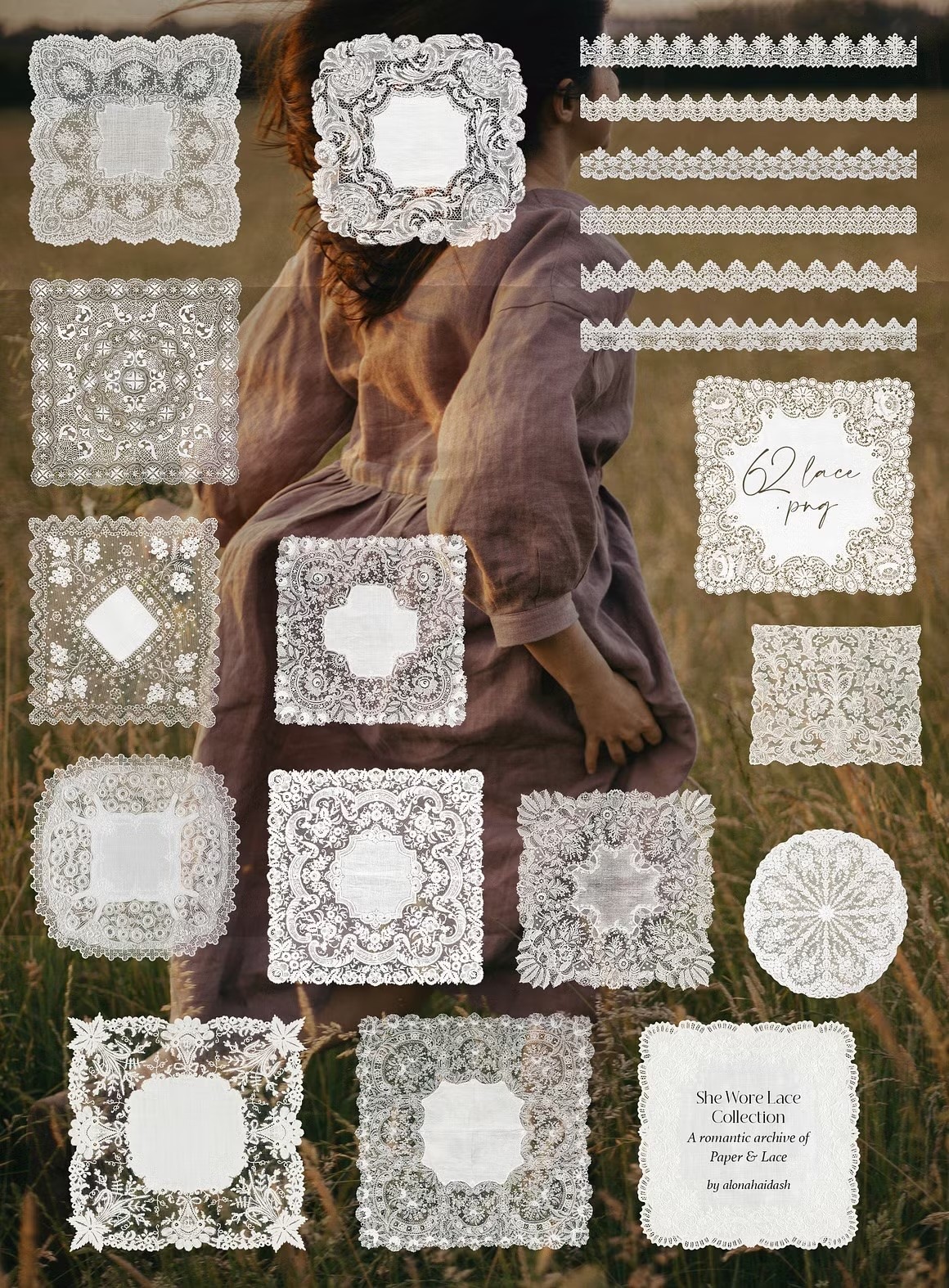
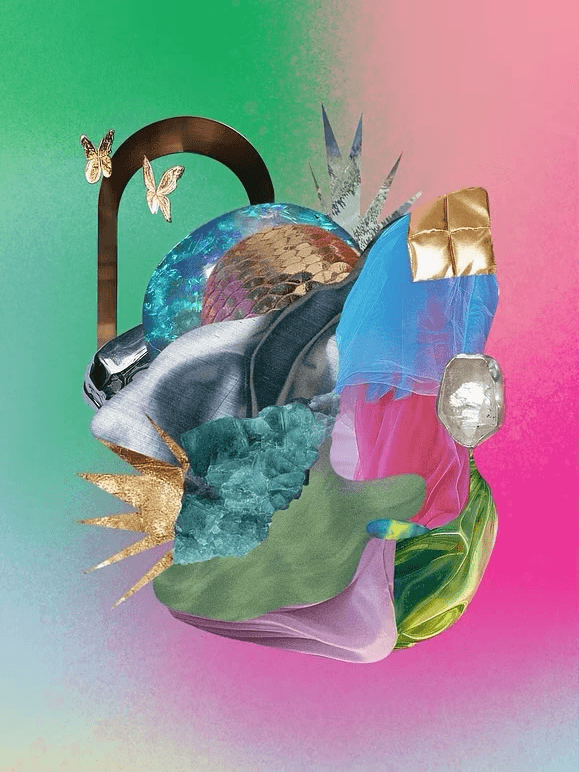
Rococo Romance leans into vintage objects, delicate lace, embossed textures, jewelry details, and sculptural accents. Pair that with romantic line art, medieval leaning letterforms, ornate frames, and editorial mockups, and you get a visual language that says maximalism, but in a zine maker’s hands. Think embossed papers, lace edging, silverware still lifes, and collage elements that feel pulled from art history folders, then recomposed into poster like layouts.
Tactile texture and collage emerge as an antidote to algorithmic sameness. Expect this to show up in fragrance and beauty packaging, boutique hospitality branding, wedding adjacent stationery, and cultural posters where decoration becomes the message.
"After years of minimalist everything, we're seeing a return to richness and detail. Layered textures, bold color combinations, ornamental details that actually mean something."
— Jeremy from H&C Drawings & Designs
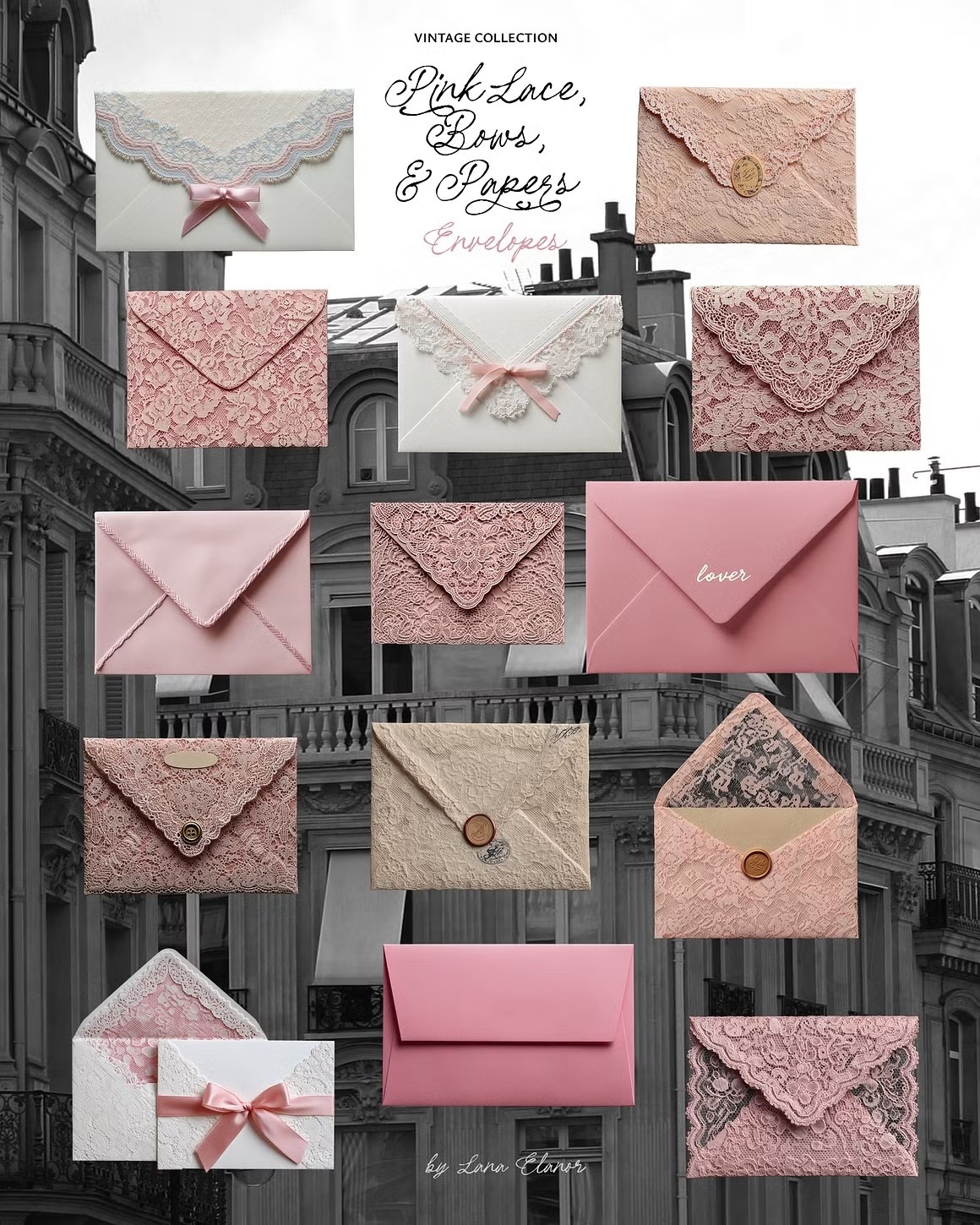
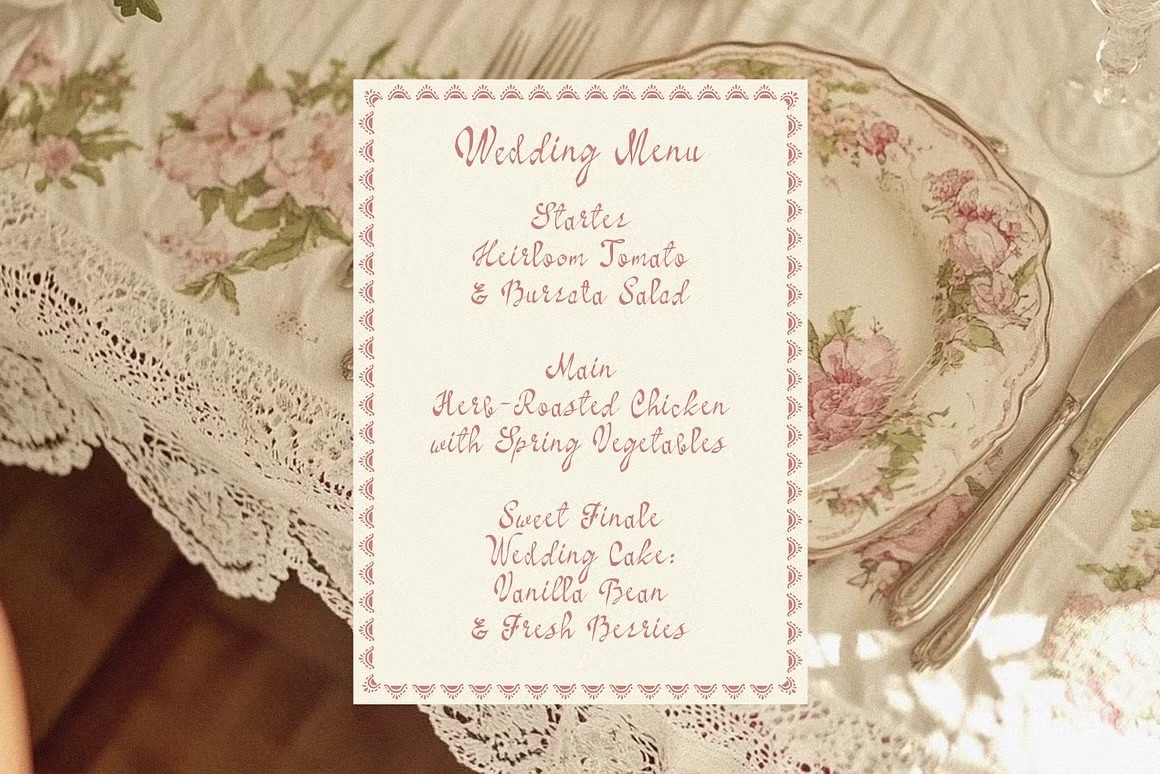
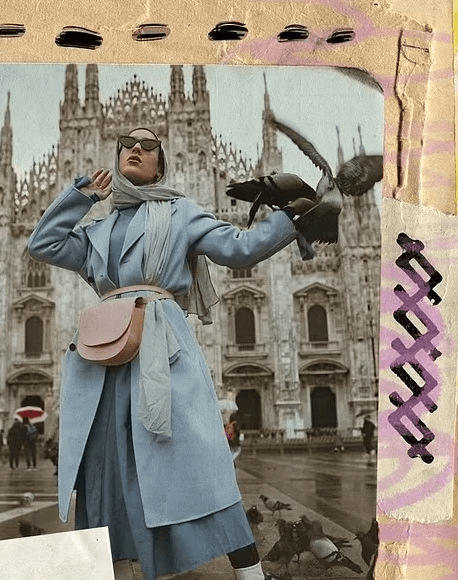
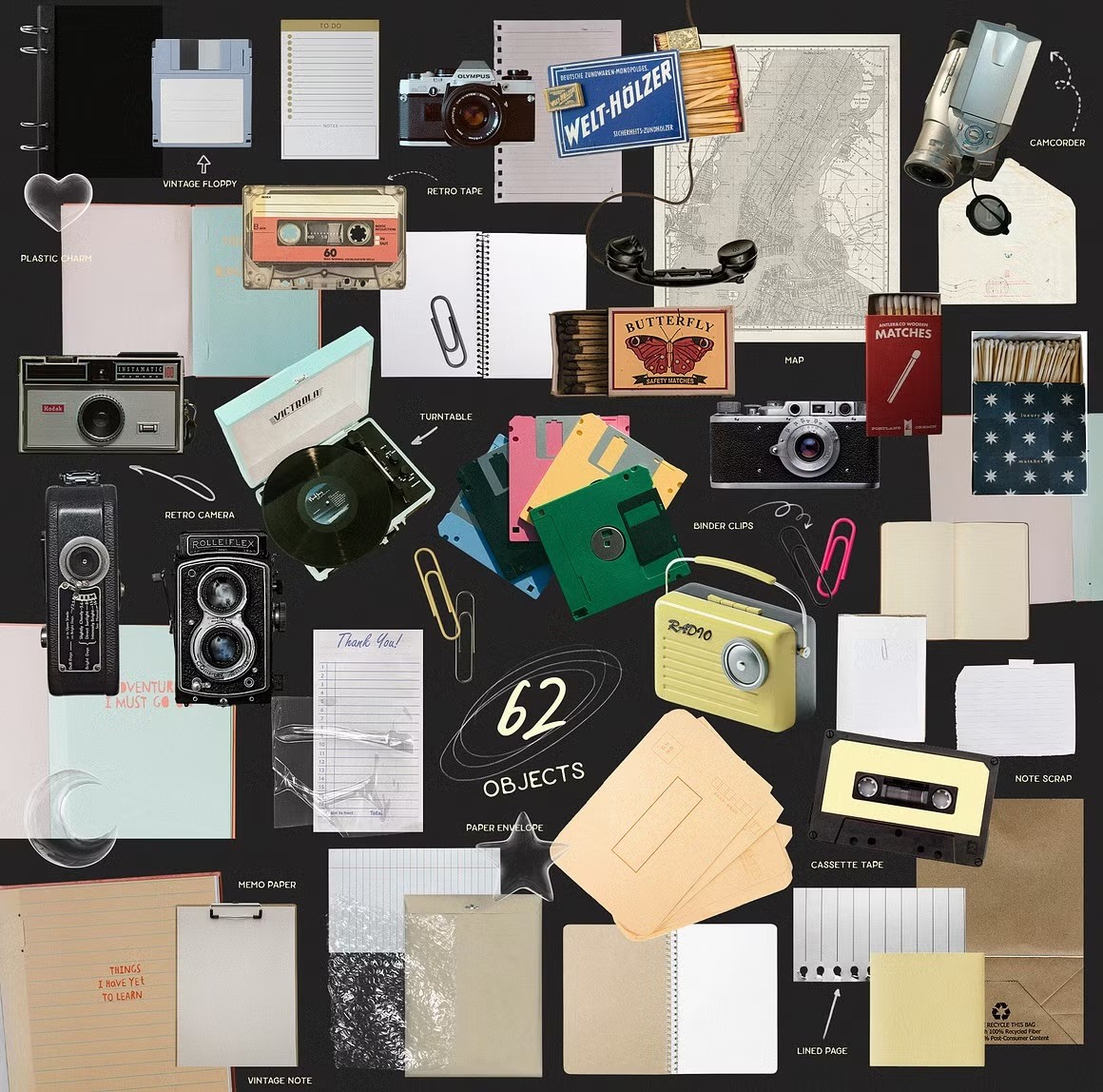
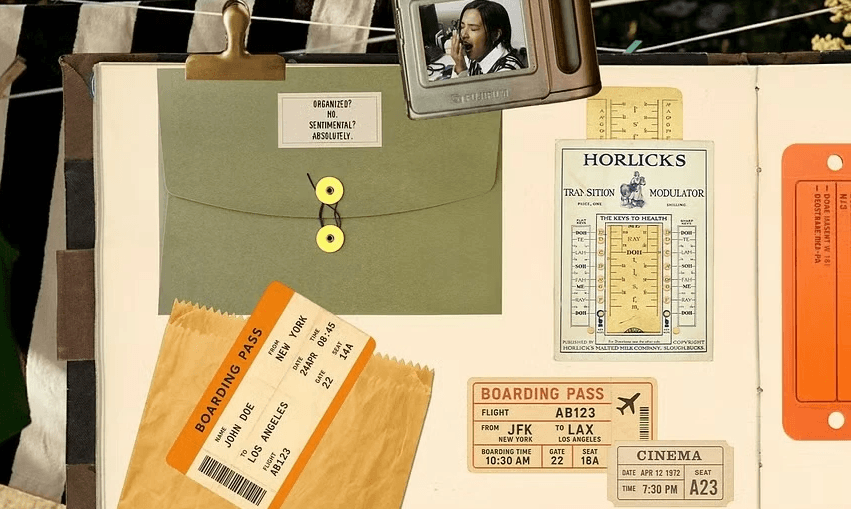
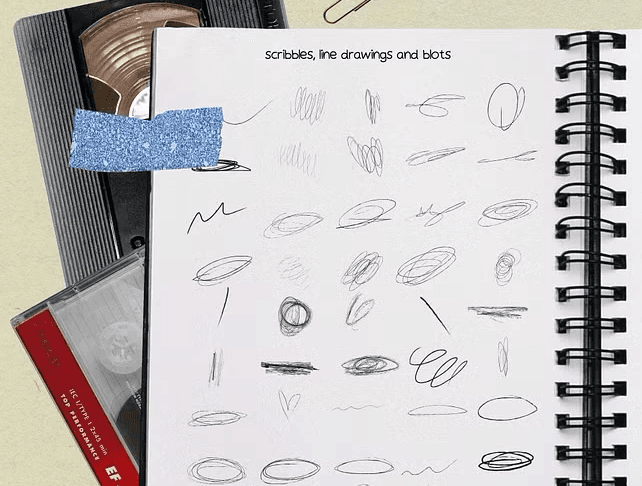
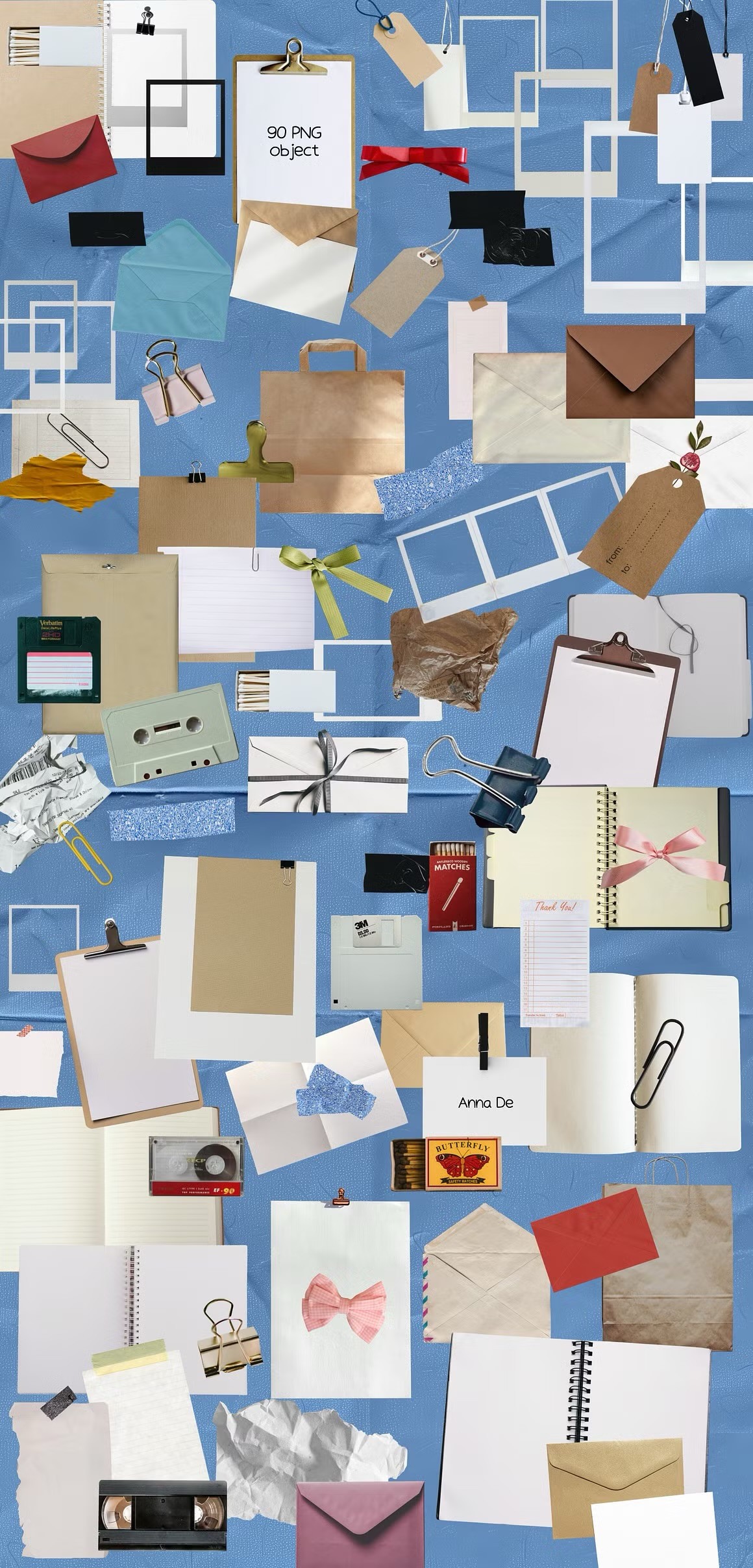
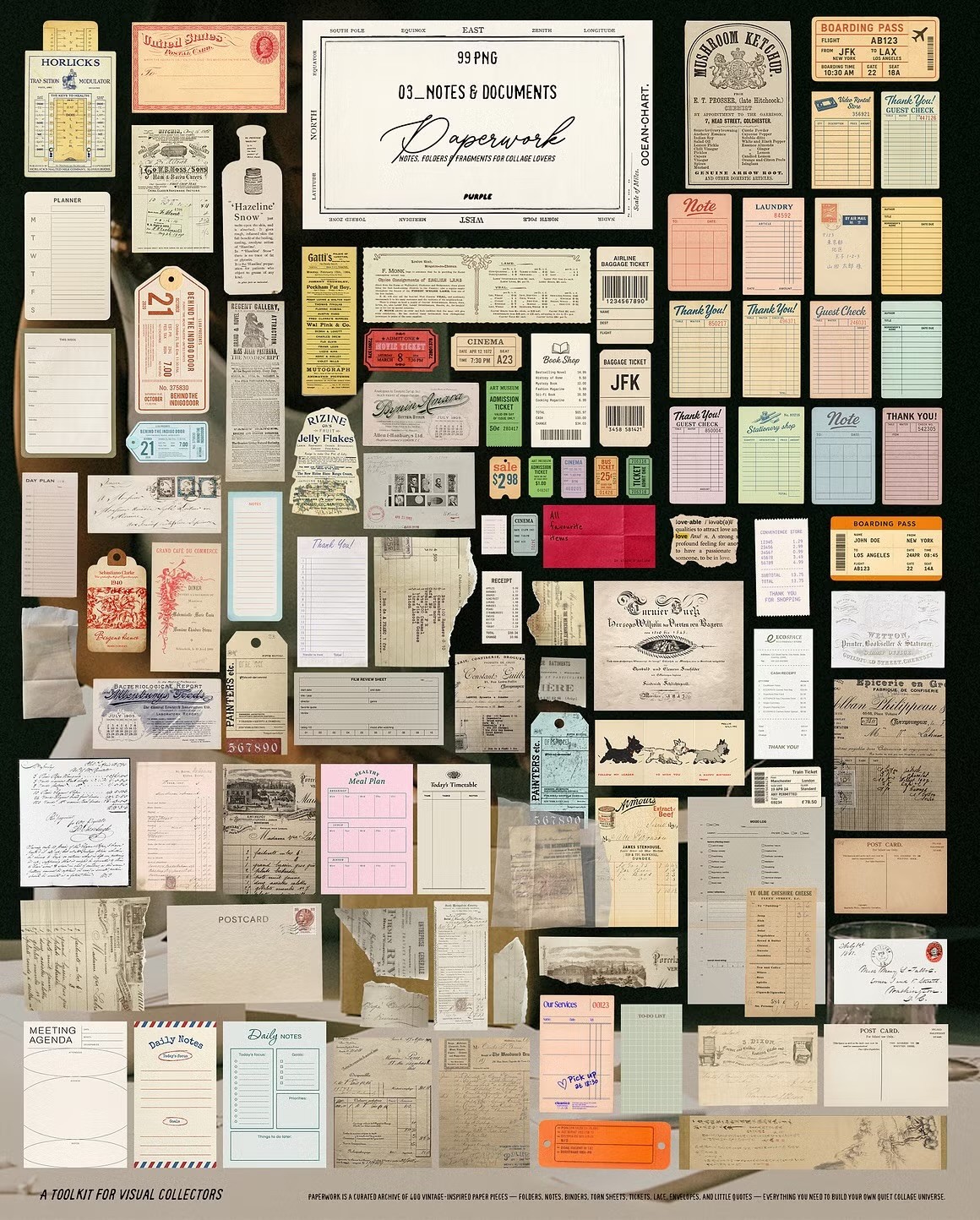
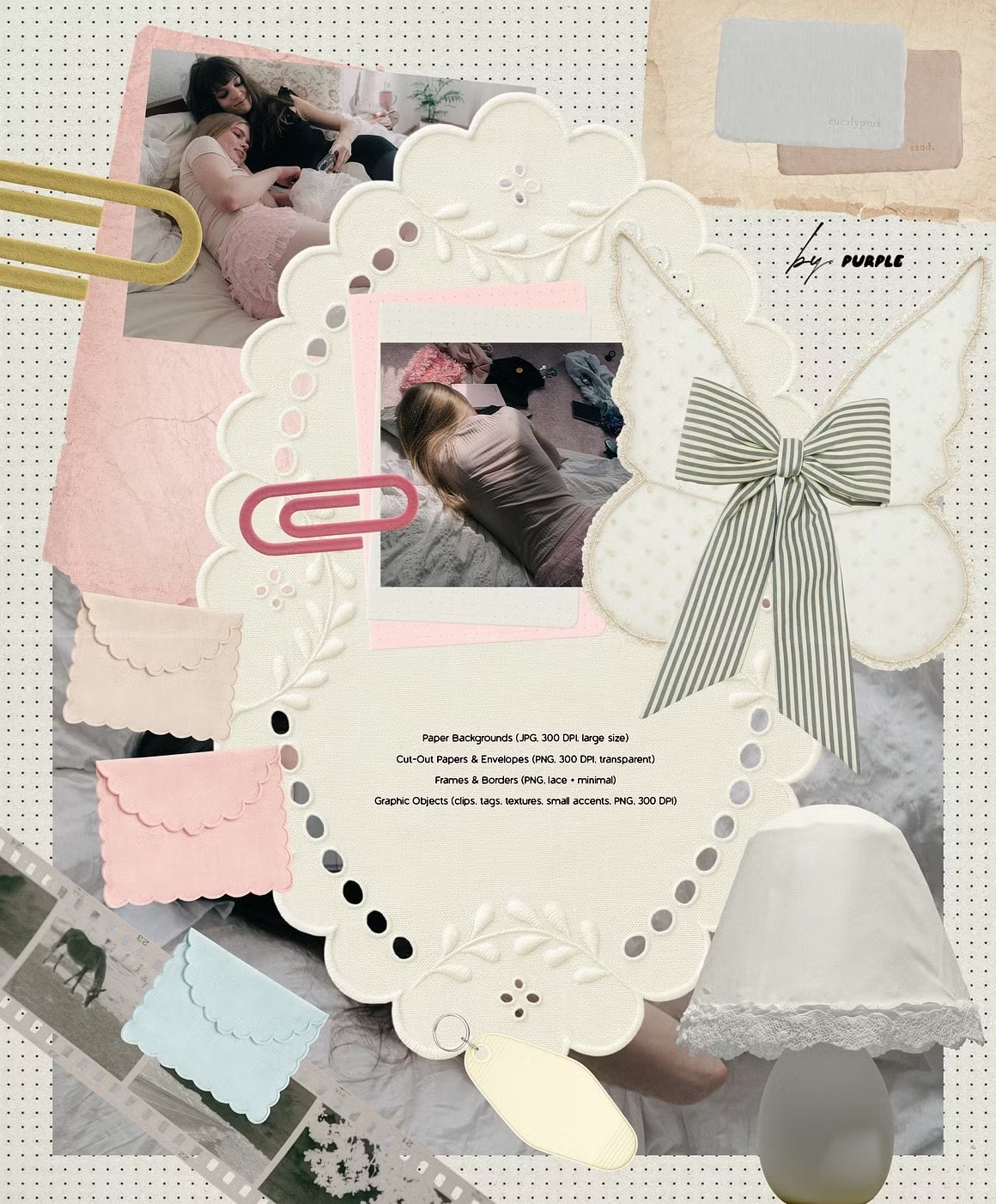
Peak Journal is the art of the collected page. Receipts, labels, tickets, stamps, envelopes, tape bits, ruled sheets, and scribbled notes all shape a distinct look that carries diary layout energy. This trend features a mix of stamp graphics, café handwriting, postcard grids, and Canva templates built for travel storytelling, and you get layouts that feel like someone actually went somewhere.
Accents include paper fragments and pages, notes and documents, travel ephemera, envelopes and stamps, tape details, lace, and quotes, ready for collage and journaling workflows. This trend thrives in social templates, creator brands, newsletters, and packaging that reflects each of our unique, inner journeys.
Peak Journal celebrates freeform storytelling and the warmth of everyone’s personal visual styles.
¨Design isn’t heading toward more perfection - it’s heading toward more personality. The future belongs to work that feels made, not produced: characters over faceless neutrality, human quirks over algorithmic symmetry."
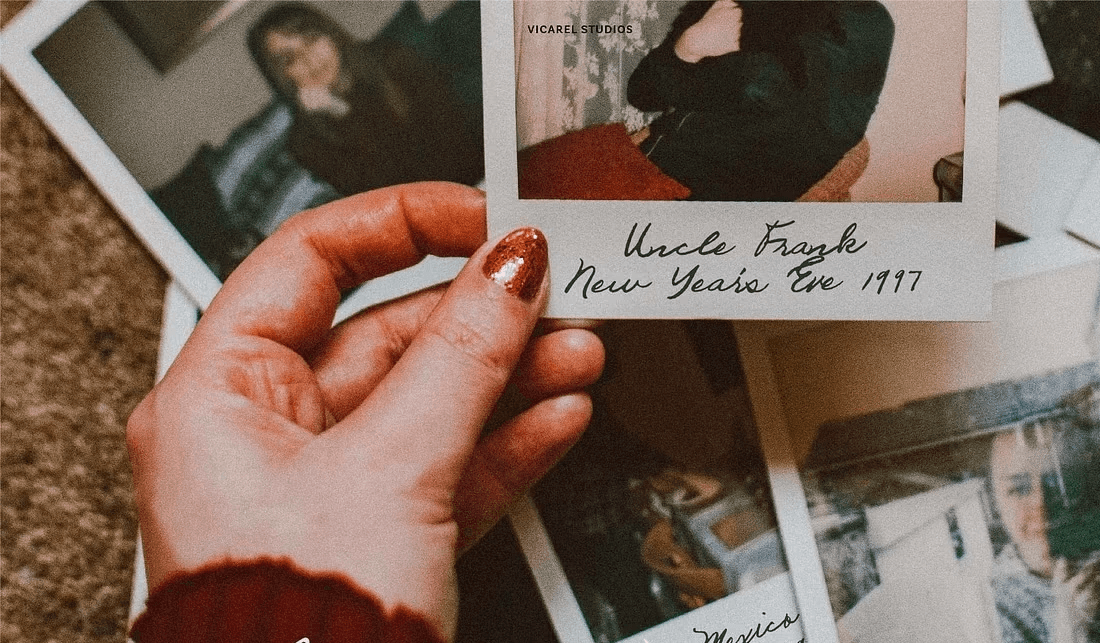
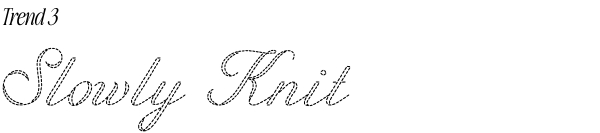
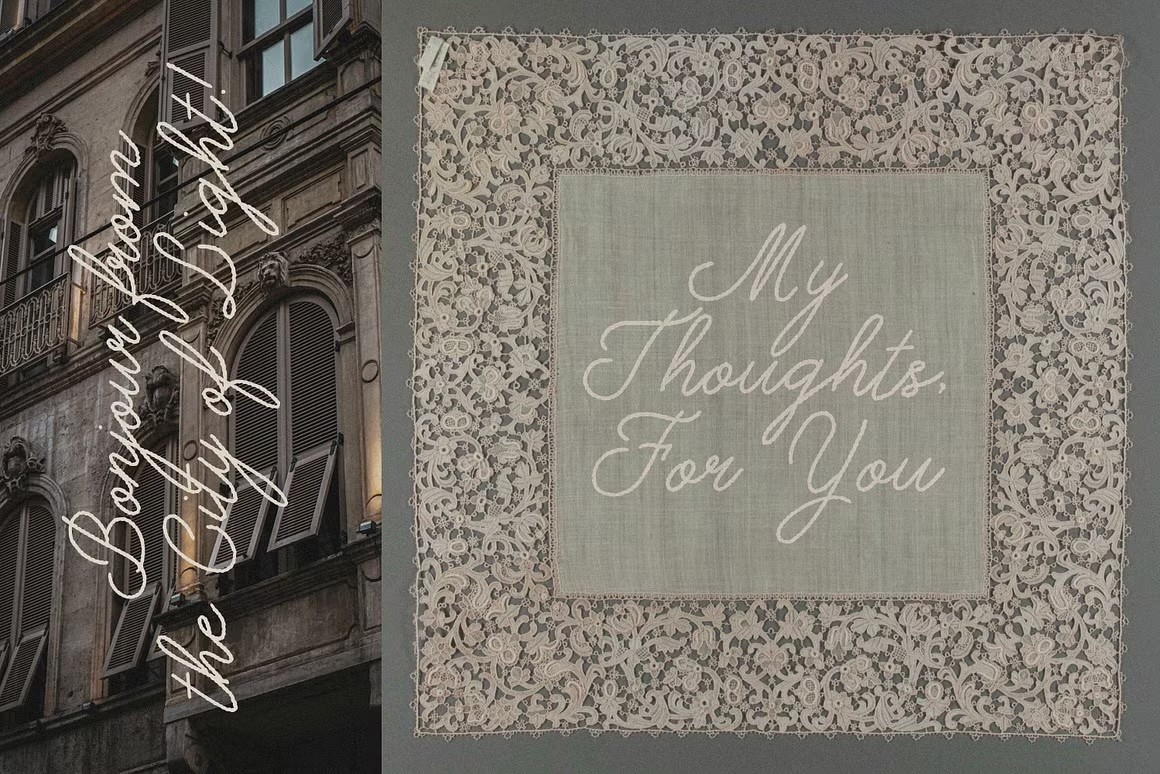
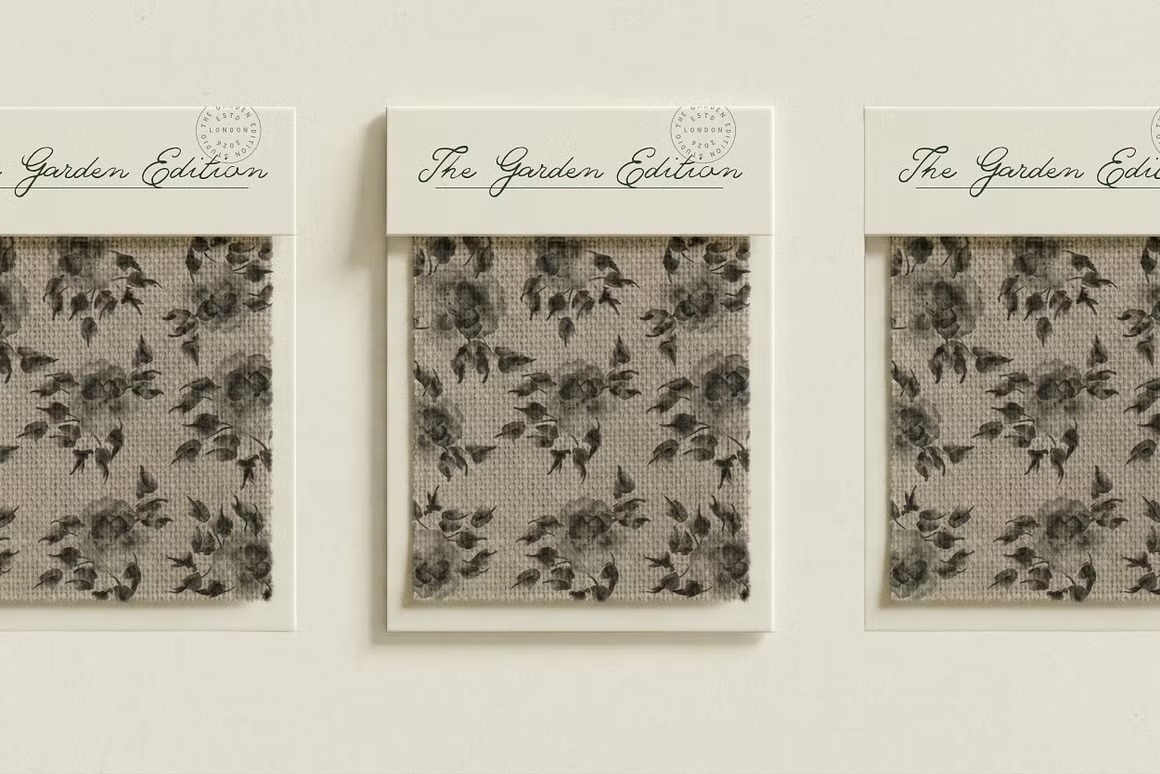
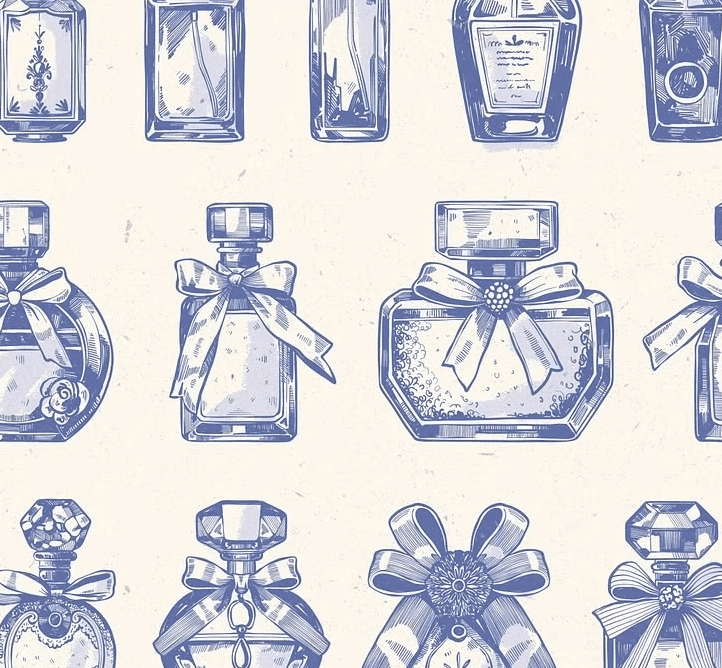
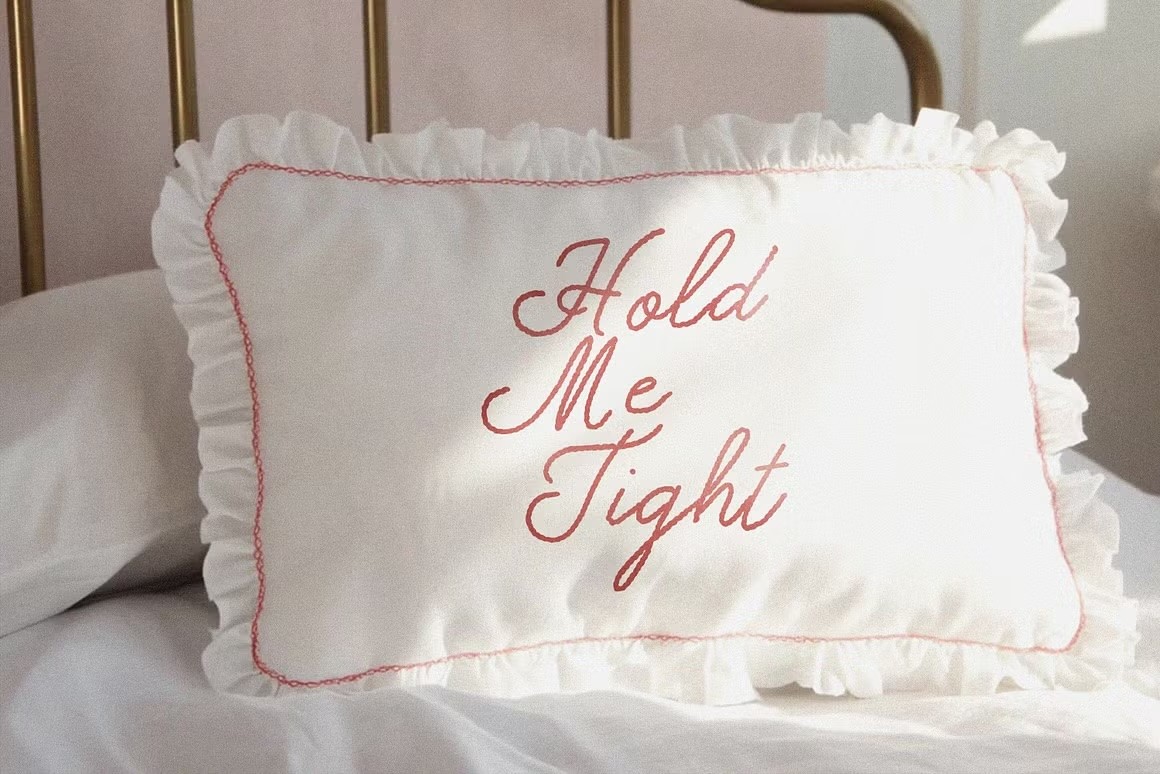
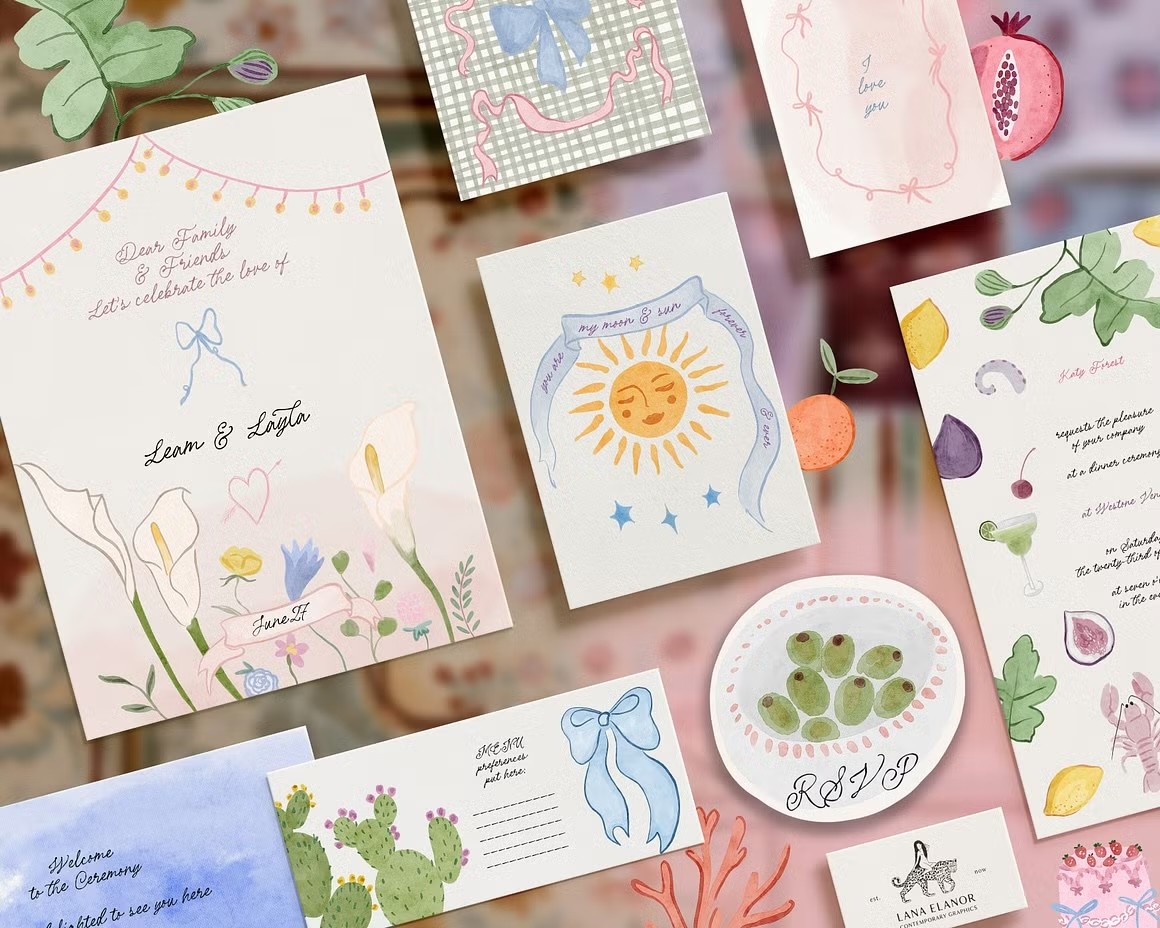
Slowly Knit is a craft revival aesthetic built from lace patterns, cross stitch references, woven textures, floral clipart, and storybook print ephemera. It leans grandmillennial, but sharper, with deliberate imperfections and textile like detail. Expect hand crafted textures with stitch accents and cozy cottagecore cues, designed for monograms, labels, and stationery. Add watercolor botanicals, heirloom garden elements, and soft print textures, and the output feels like a carefully kept trunk, not a template factory.
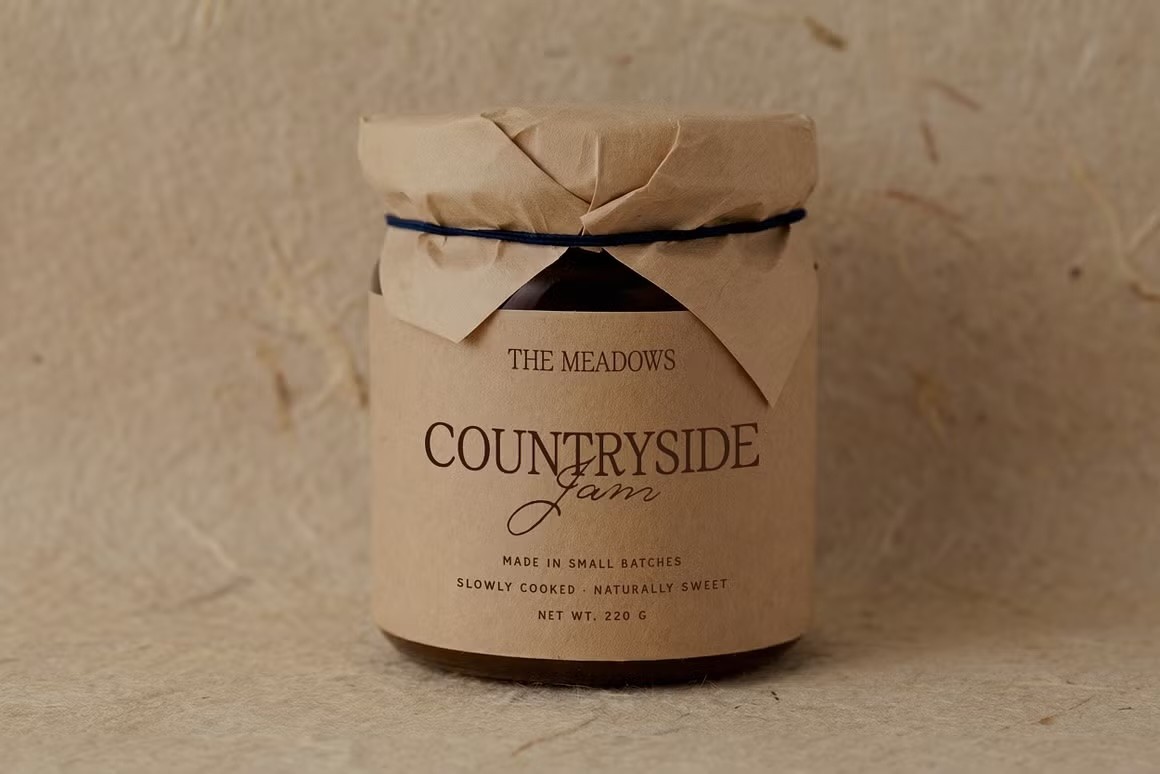
Tactile design and slow, visible craft will dominate in 2026, especially as a counterweight to AI smoothness. Expect to see this nod to gentle arts in home goods, specialty food packaging, small batch branding, and editorial inserts that want to celebrate a slower, more human rhythm.
"I expect design to shift toward more expressive, sensory-driven visuals. Audiences are looking for texture, tactility, and emotional depth."
— Anna from Anmark
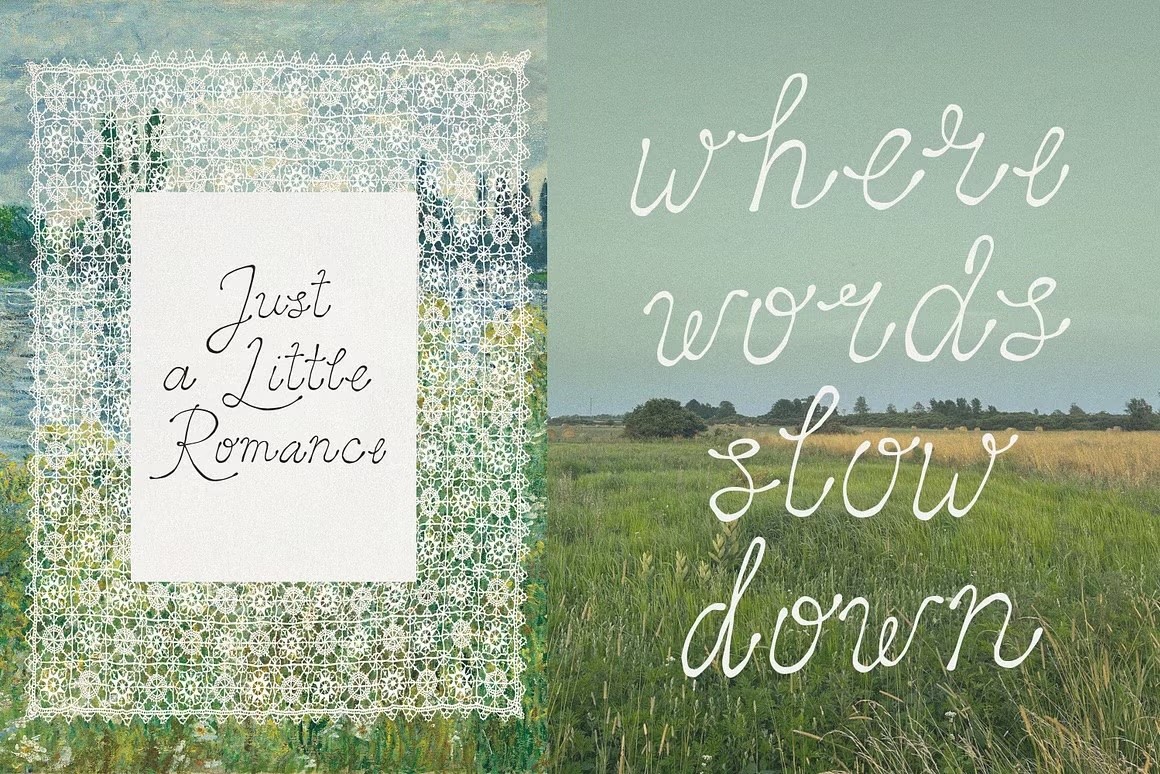

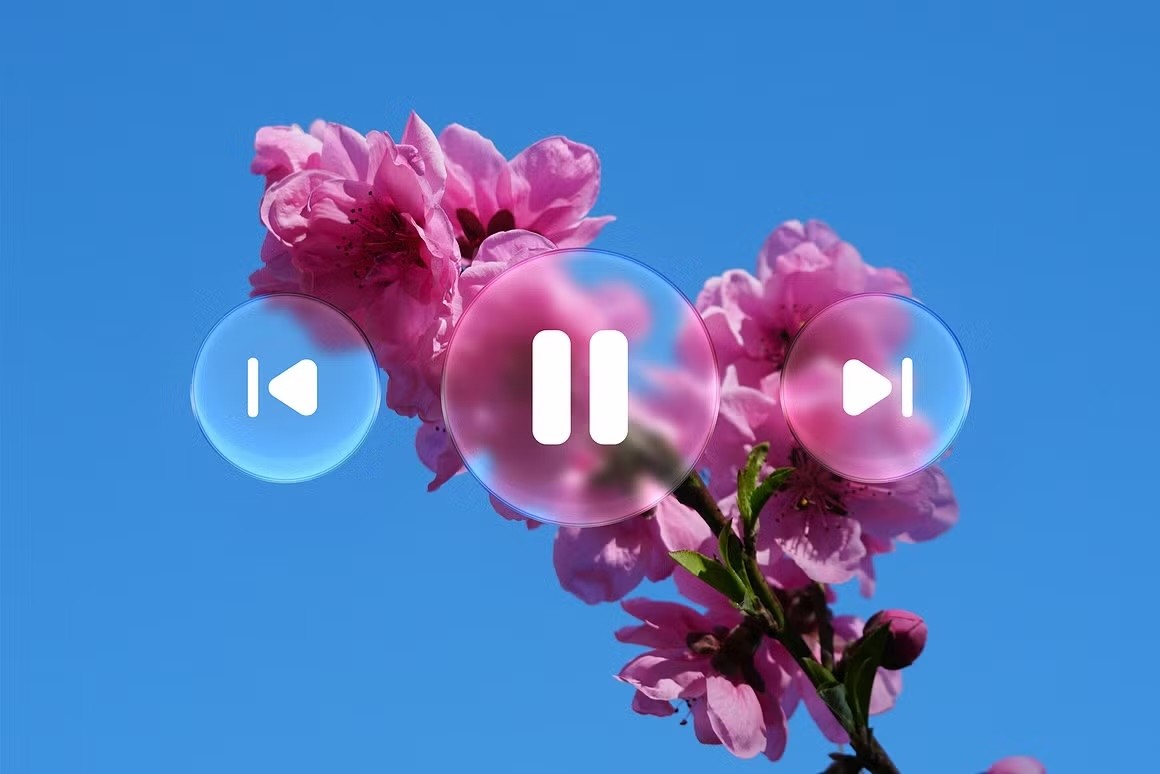
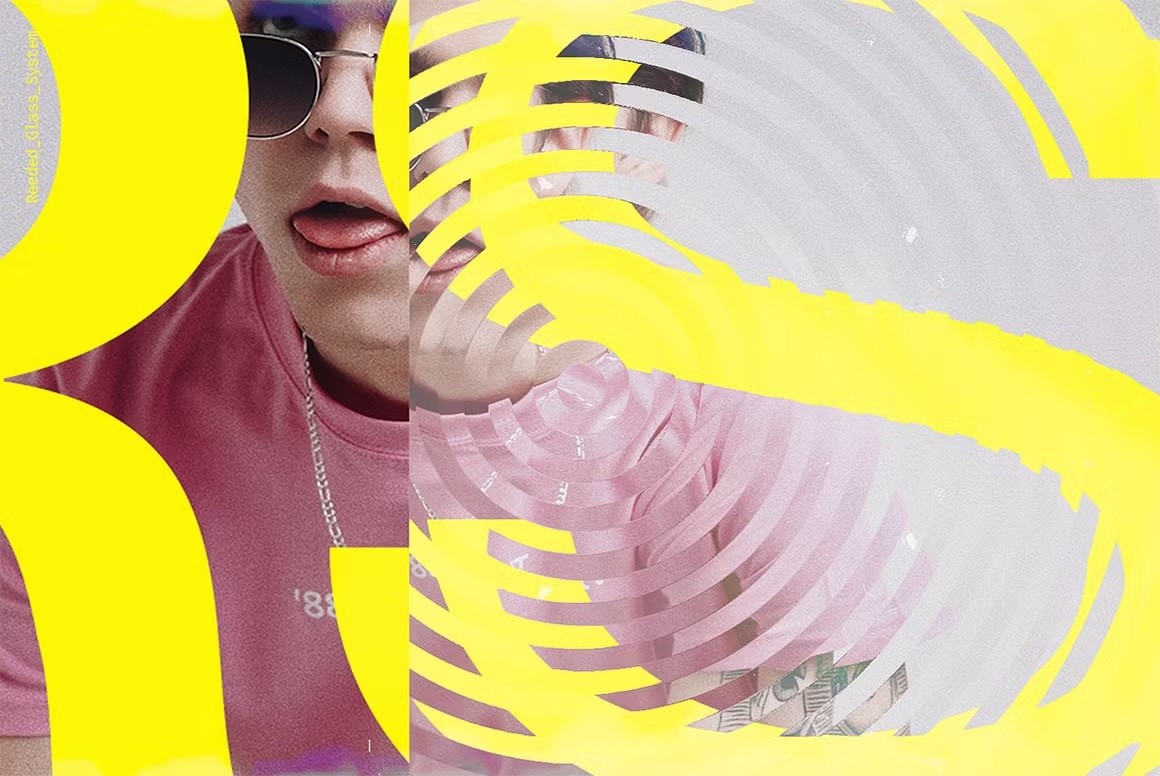
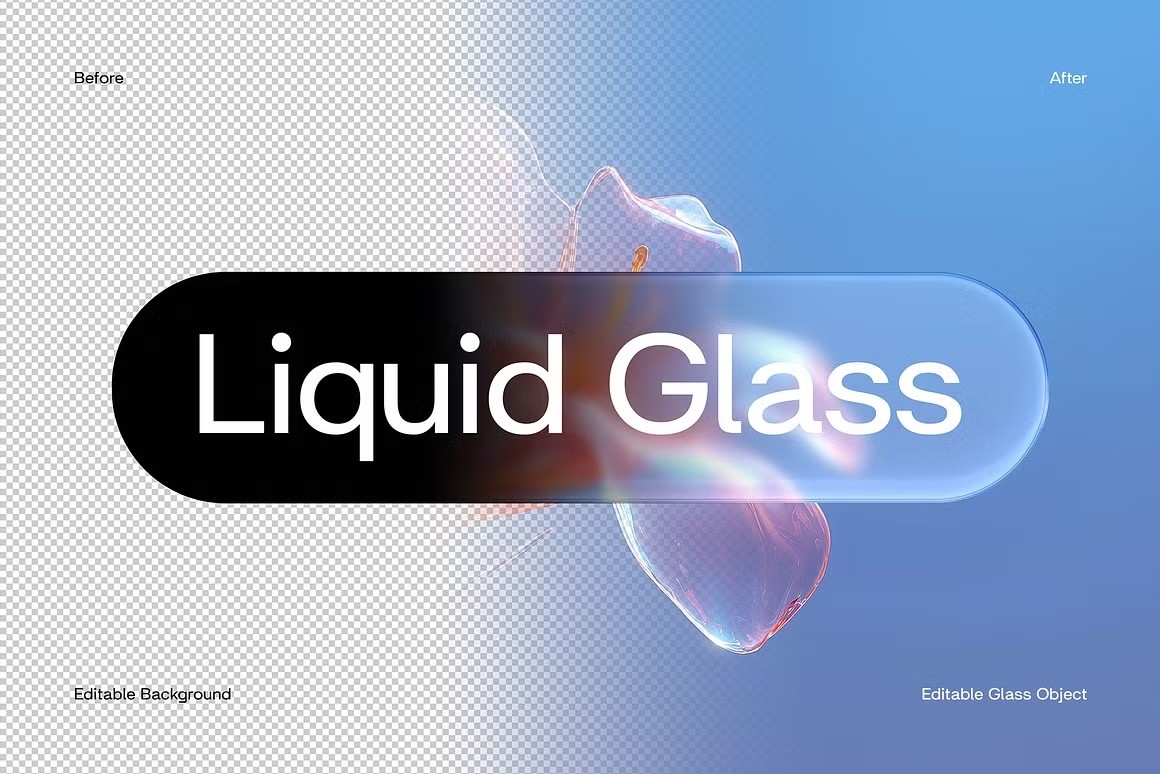
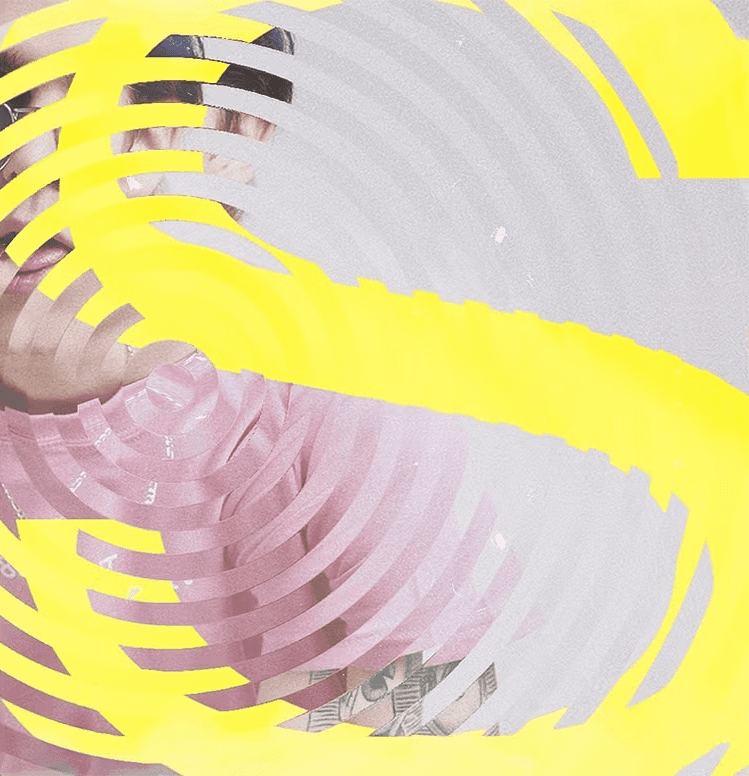
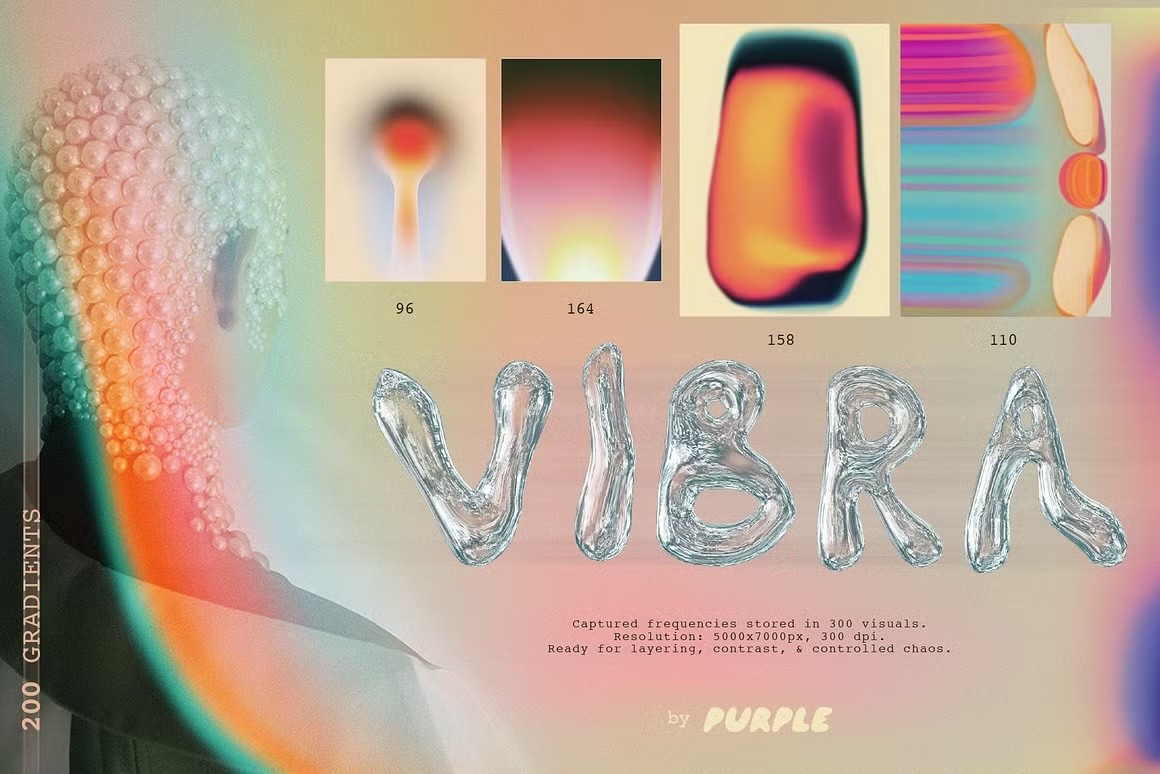
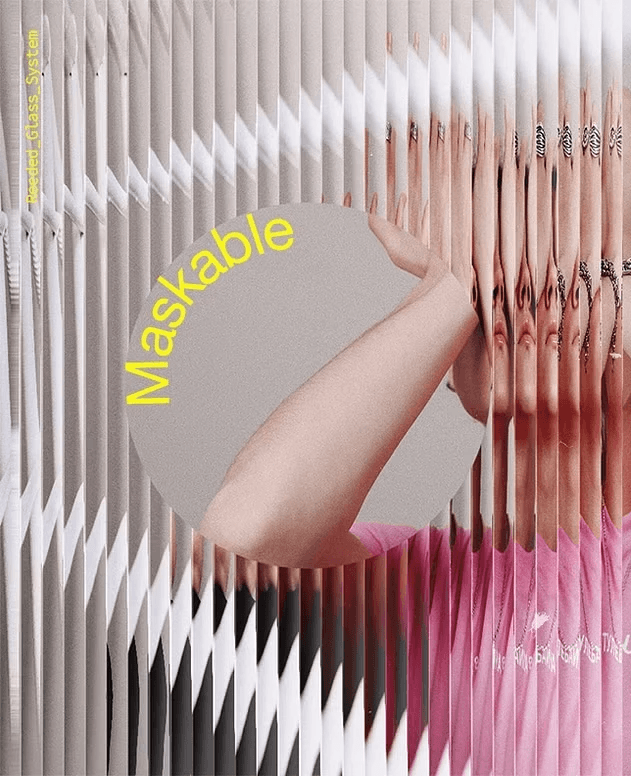
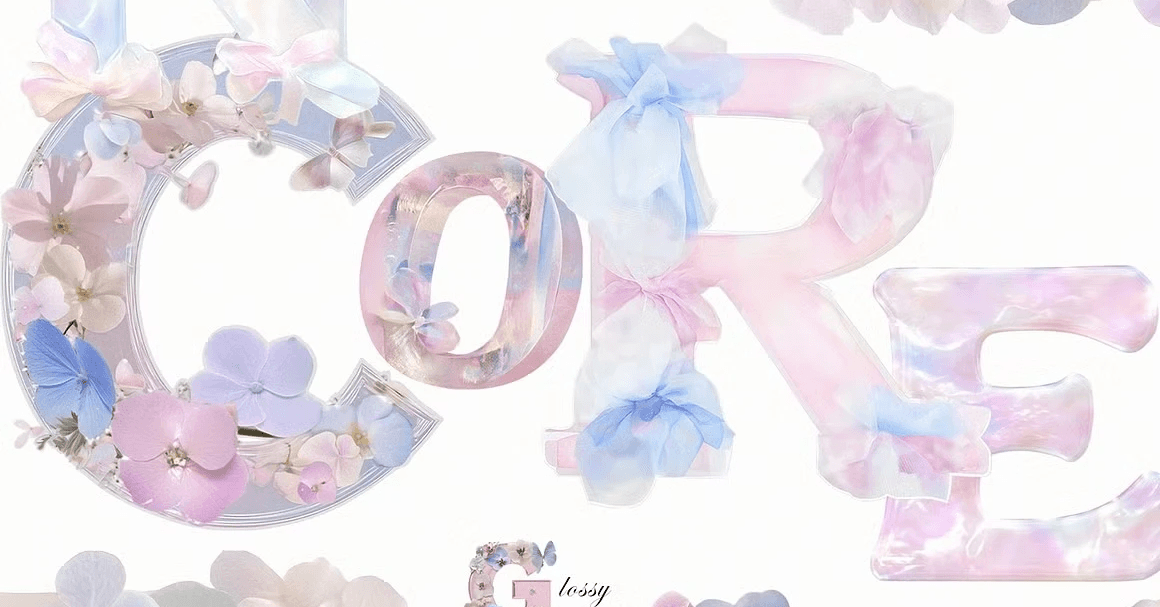
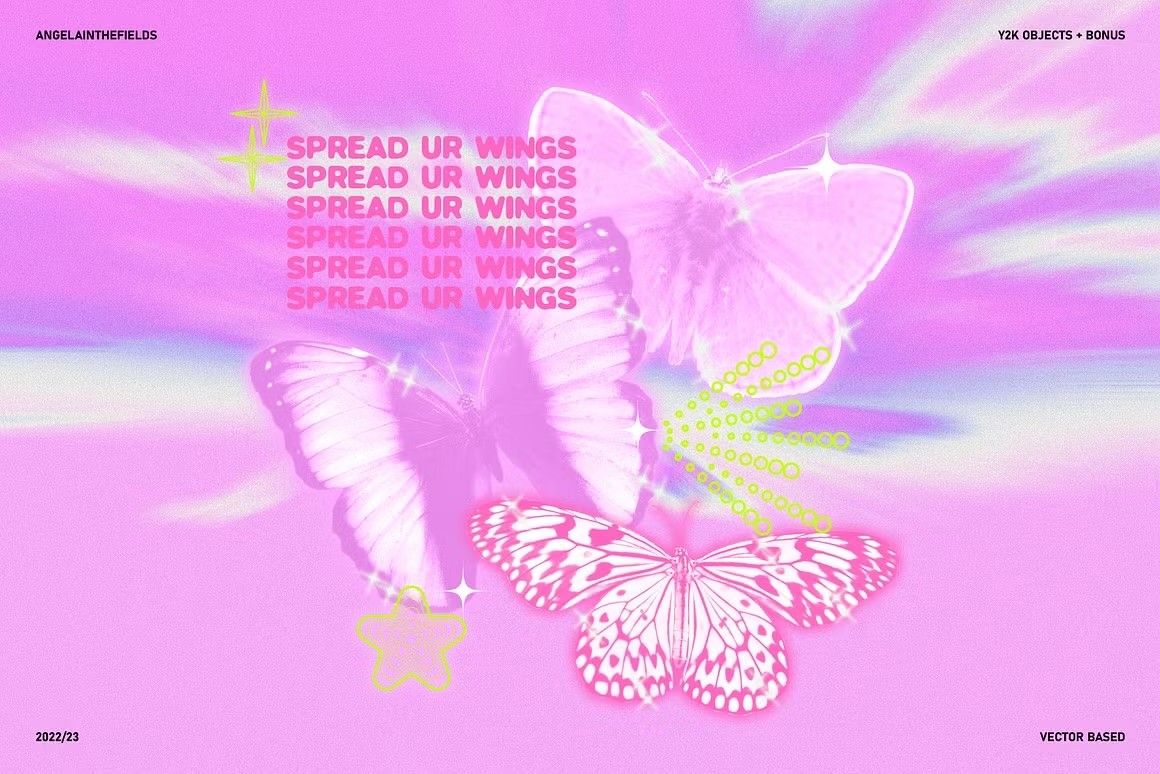
Liquid gradients, blurred refractions, glossy highlights, and layered transparency simulate glass, water, and gel like surfaces. Glasscore is a homage to the motion and color flow in translucency. Paired with bitmap type, chromatic halos, and soft glow overlays, Glasscore turns backgrounds into an ethereal, futuristic atmosphere.
This aesthetic also plays nicely with motion design and product UI, where blur and translucency signal layers and hierarchy. Expect it in tech branding, music visuals, app promos, and editorial covers that need a luminous depth that defeats flat aesthetics.
"Liquid fonts will play a bigger role as designers look for typography that feels dynamic and flexible rather than static. Type that stretches, flows, or subtly moves helps brands show personality and creativity while adapting easily across screens and platforms."
— Dmytro from Schrifted Type
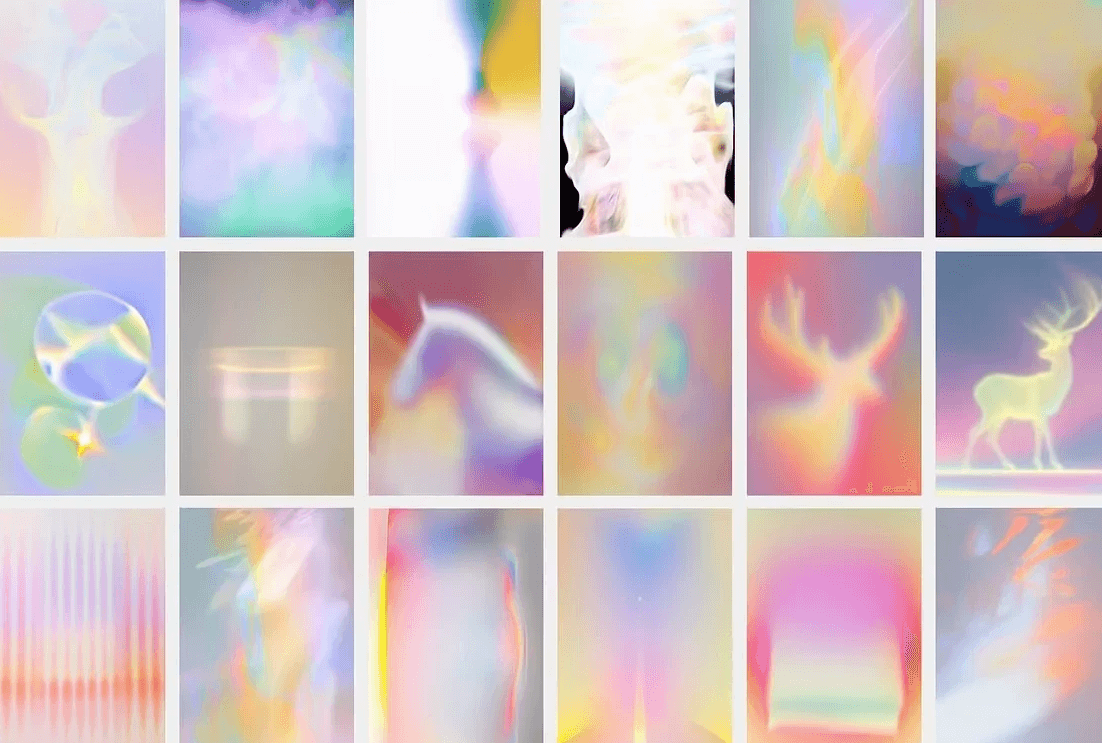
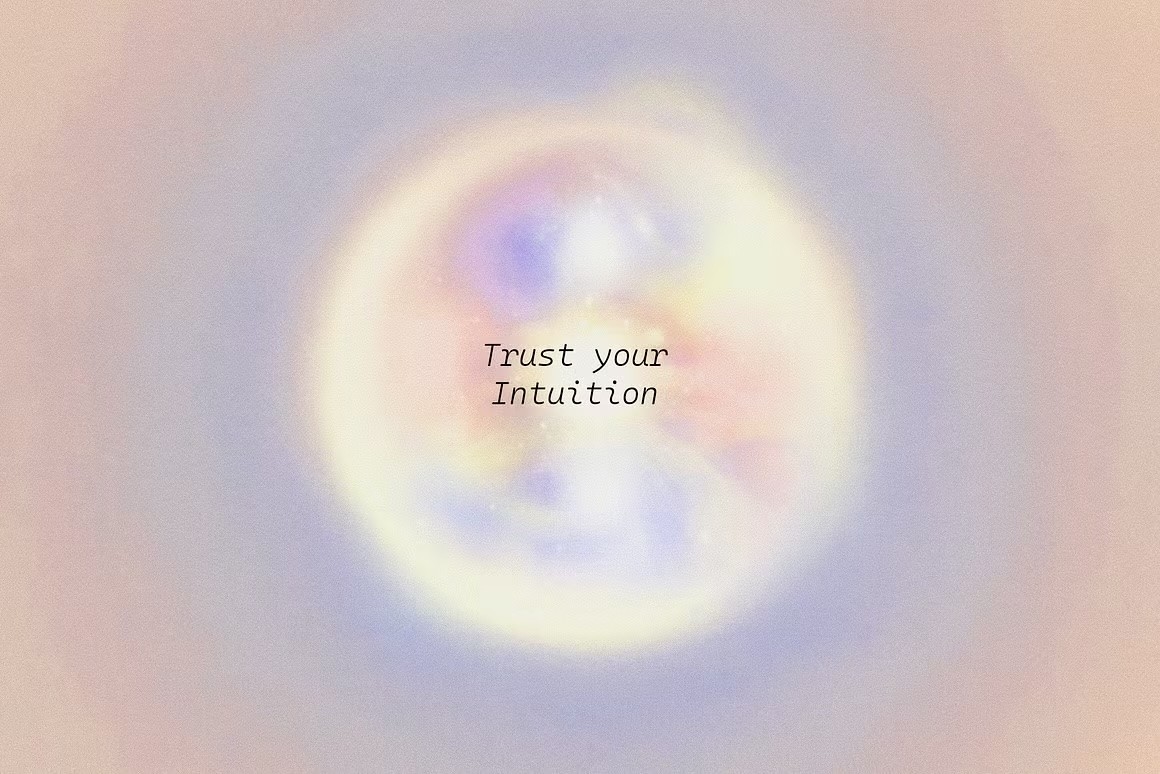

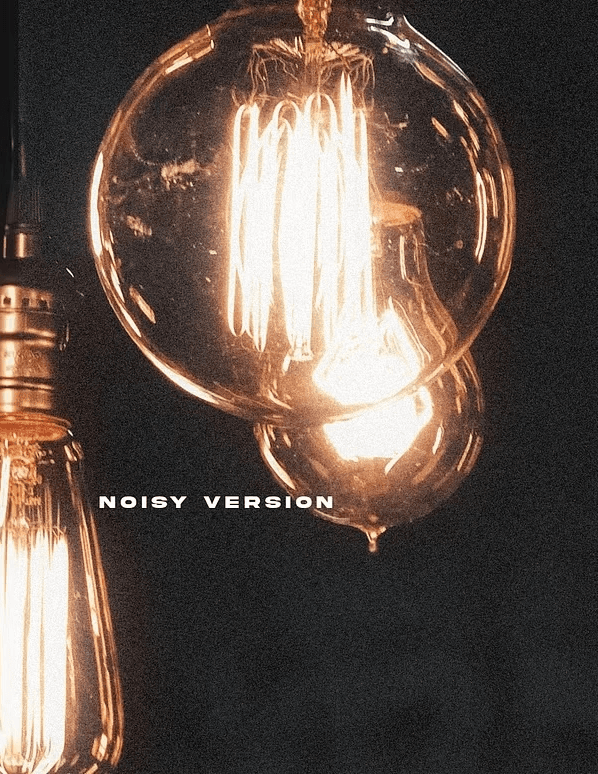
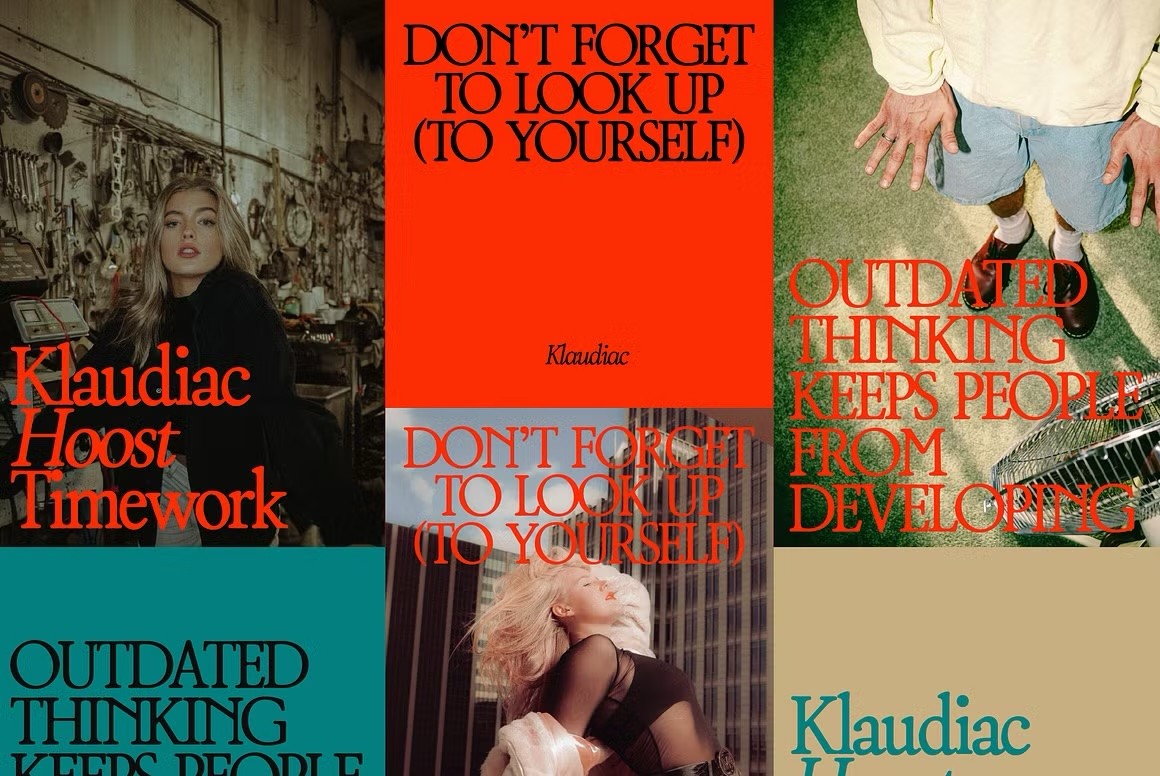
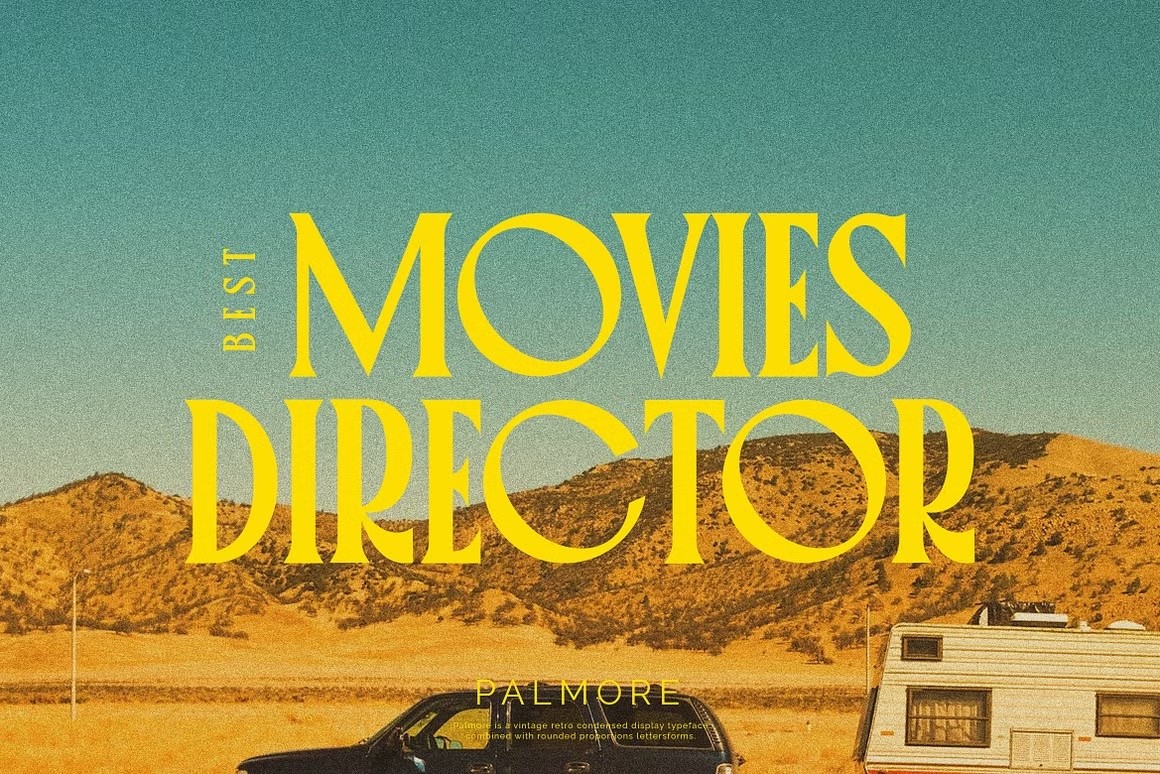
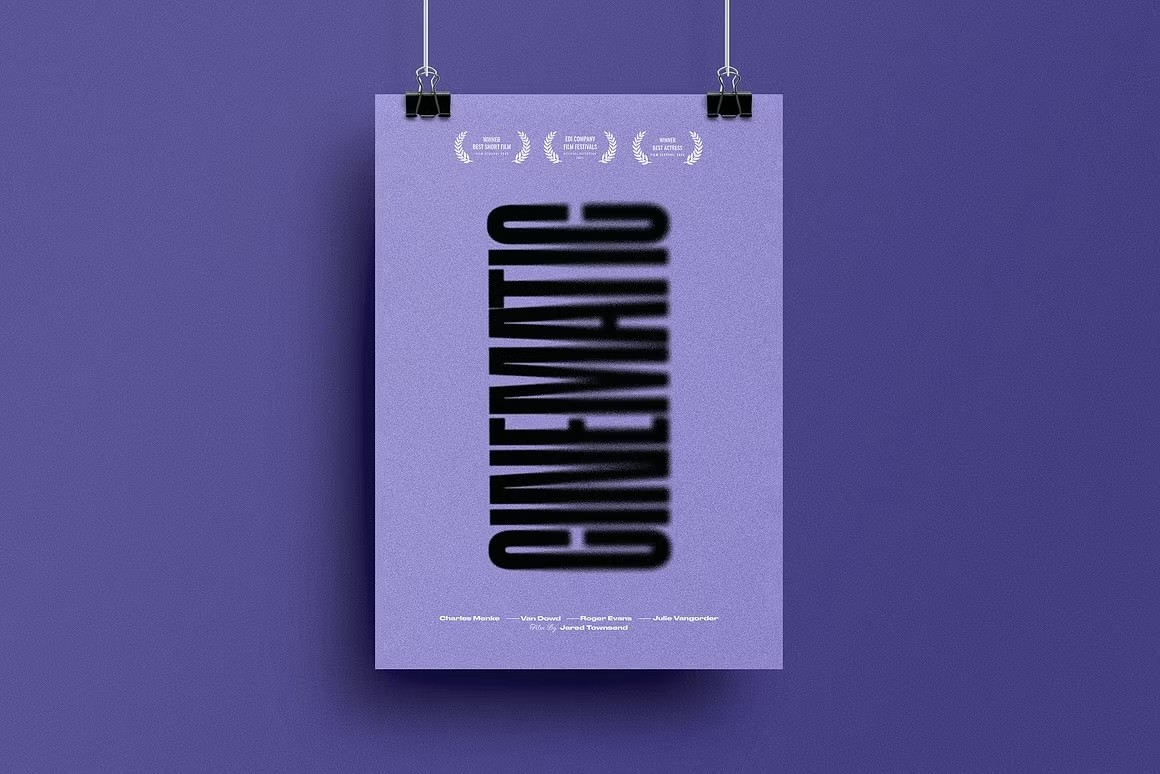
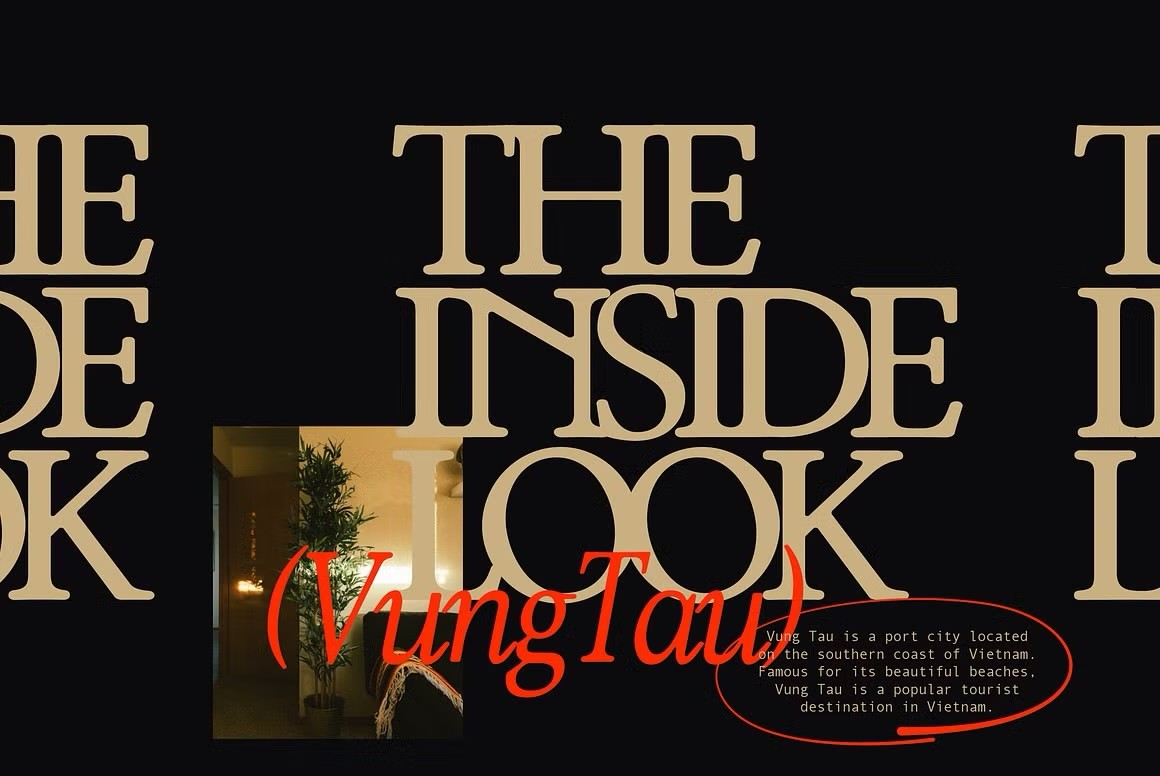
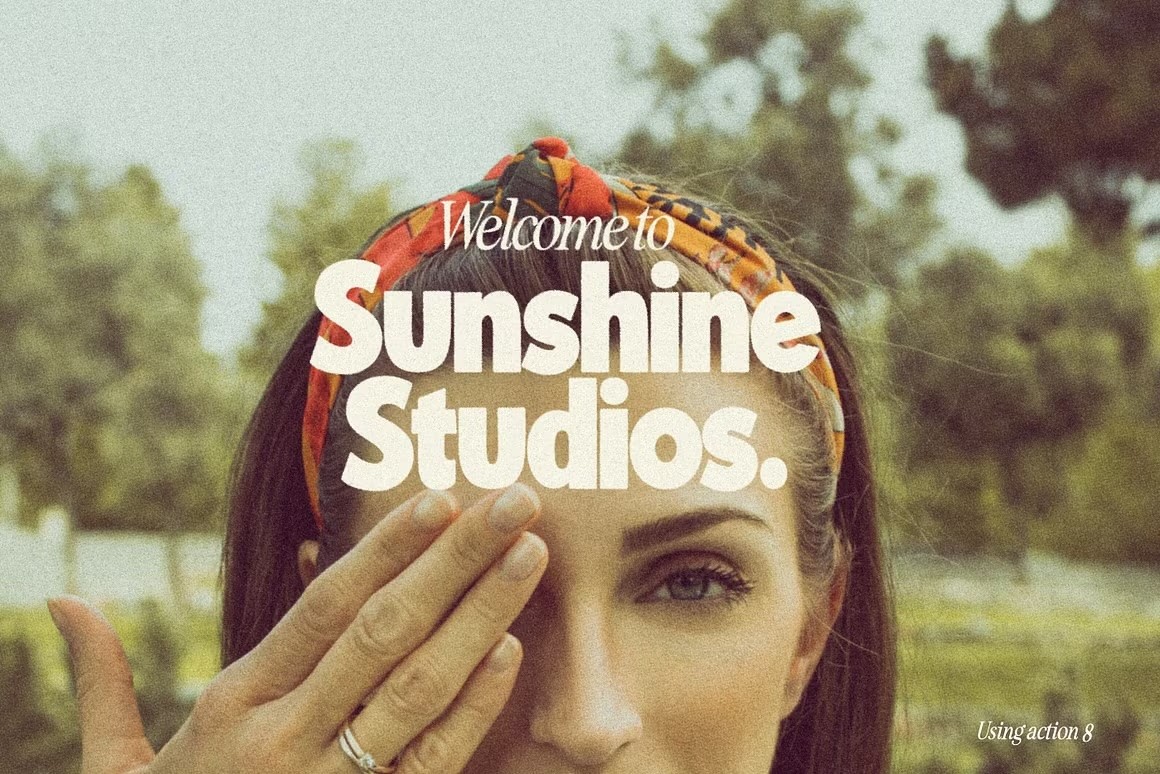
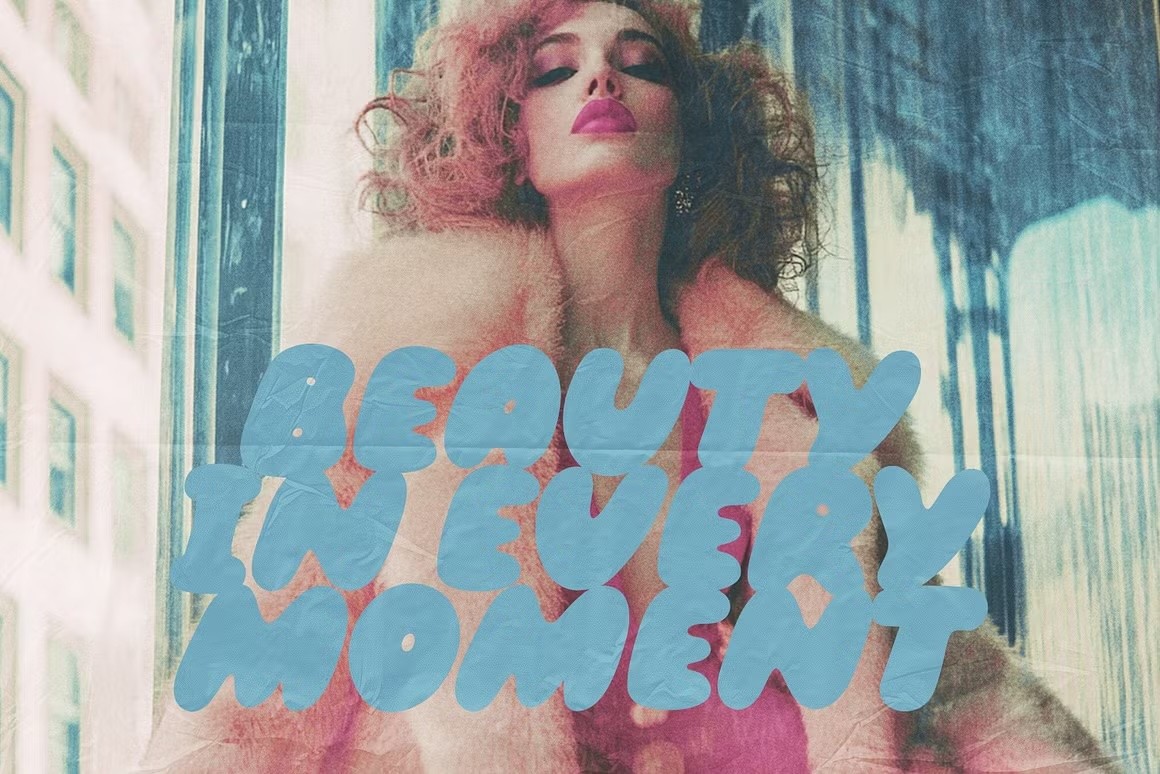
Director’s Cut is typography and layout that feels like a film title sequence paused at the best frame. Soft serifs with human irregularity, cover style crops, imperfect grain, and intimate composition. Think title cards, cinematic stills, and creator stories where the design supports personal, intimate storytelling. This trend connects strongly with the broader 2026 push toward emotional connection as a core brand skill.
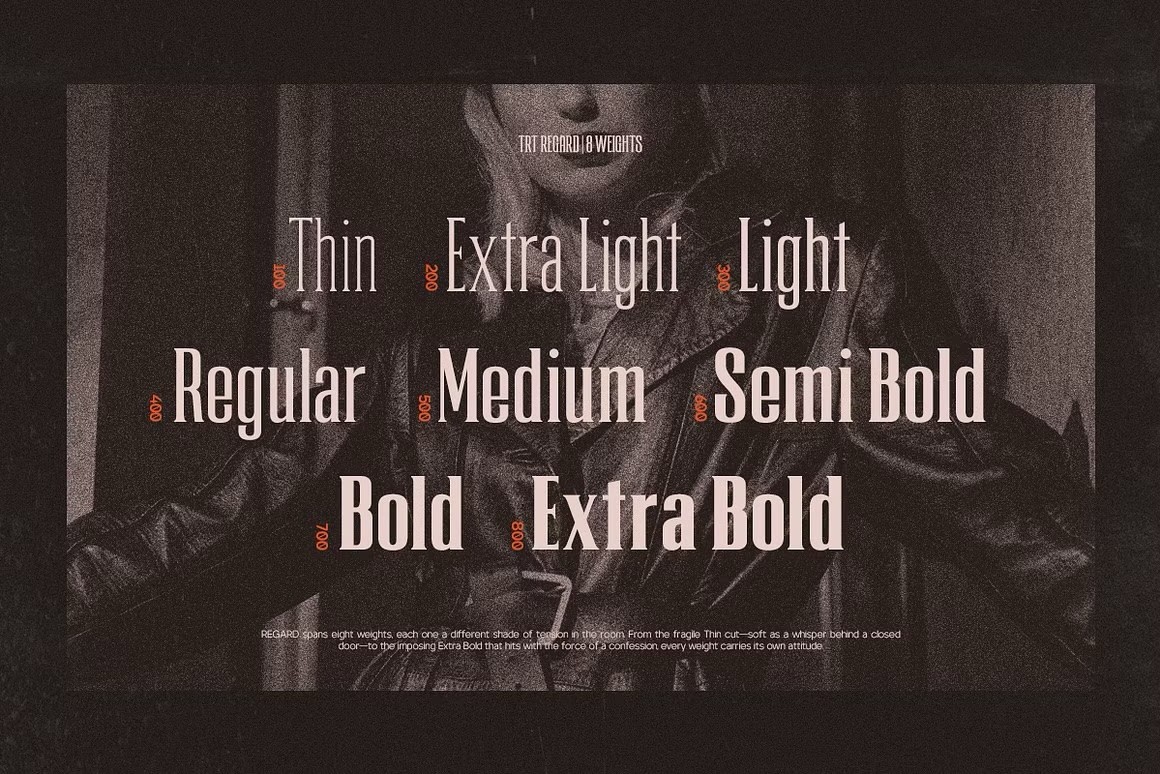
We expect to see more serif families built for editorial cadence, hand drawn serif shapes with personality, and layout kits that mimic print pacing and grainy looks for digital screens. Director’s Cut is especially fitting for book covers, documentaries, album artwork, creator led brands, and campaign landing pages that want mood without relying on stocky assets.
"Design will move toward warmer, more tactile aesthetics-crafted textures, cinematic light, emotional storytelling, and bold yet refined color accents."
— Tania, Serene Feeling
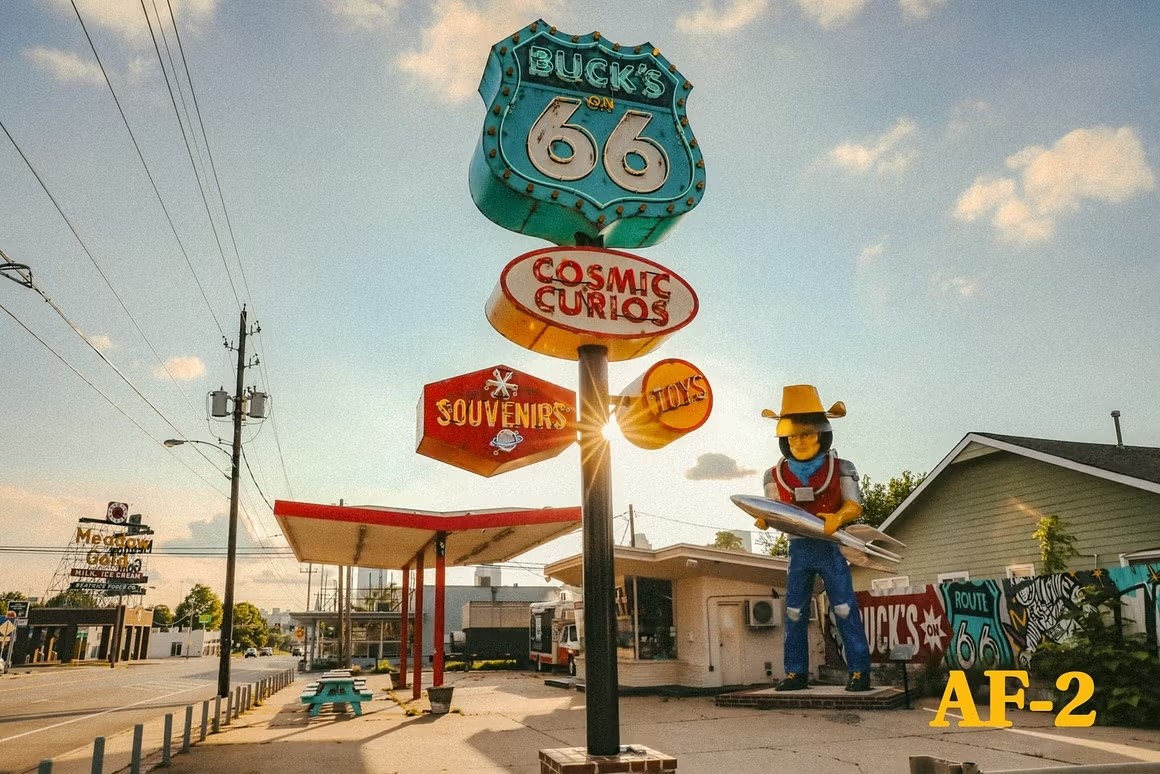
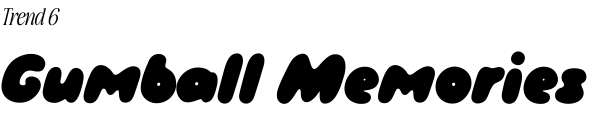
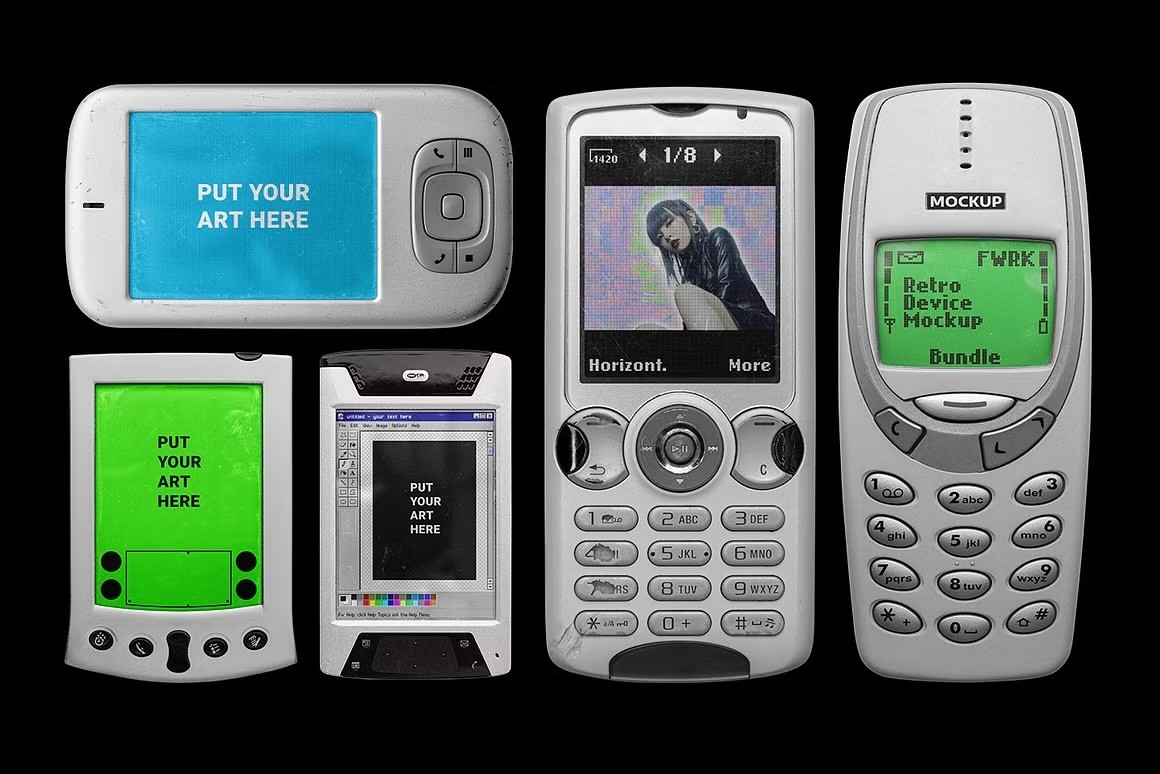
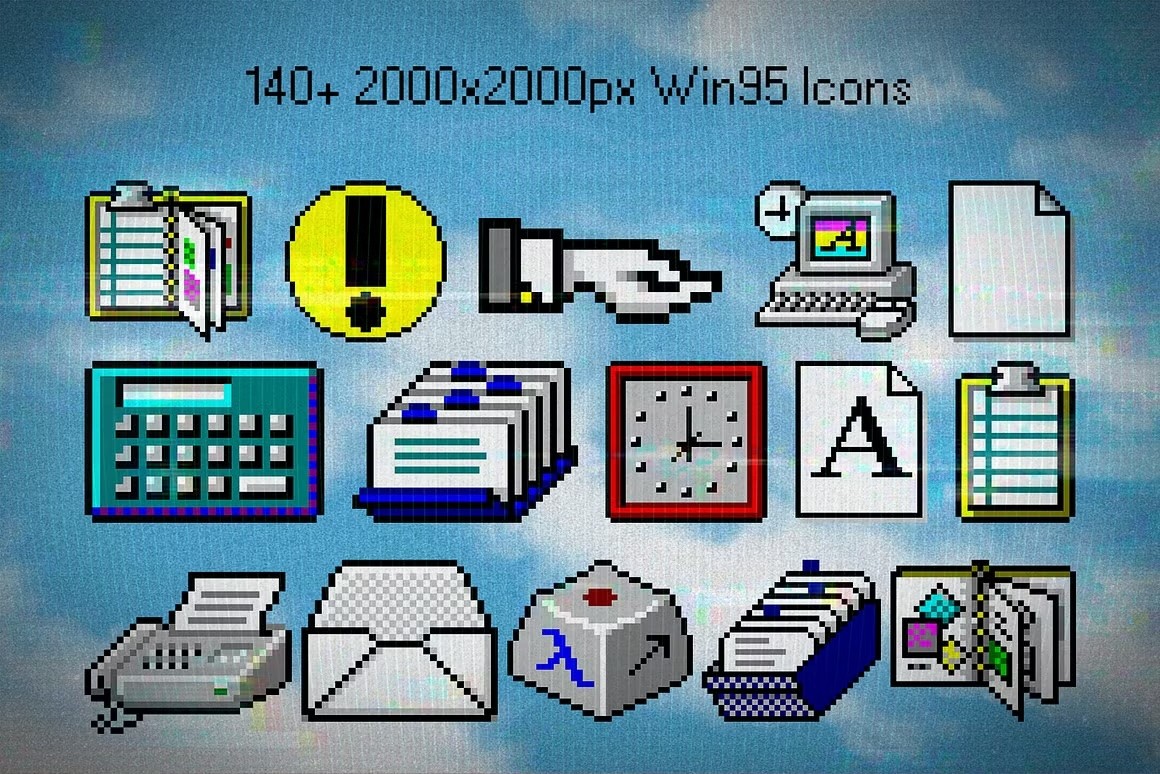
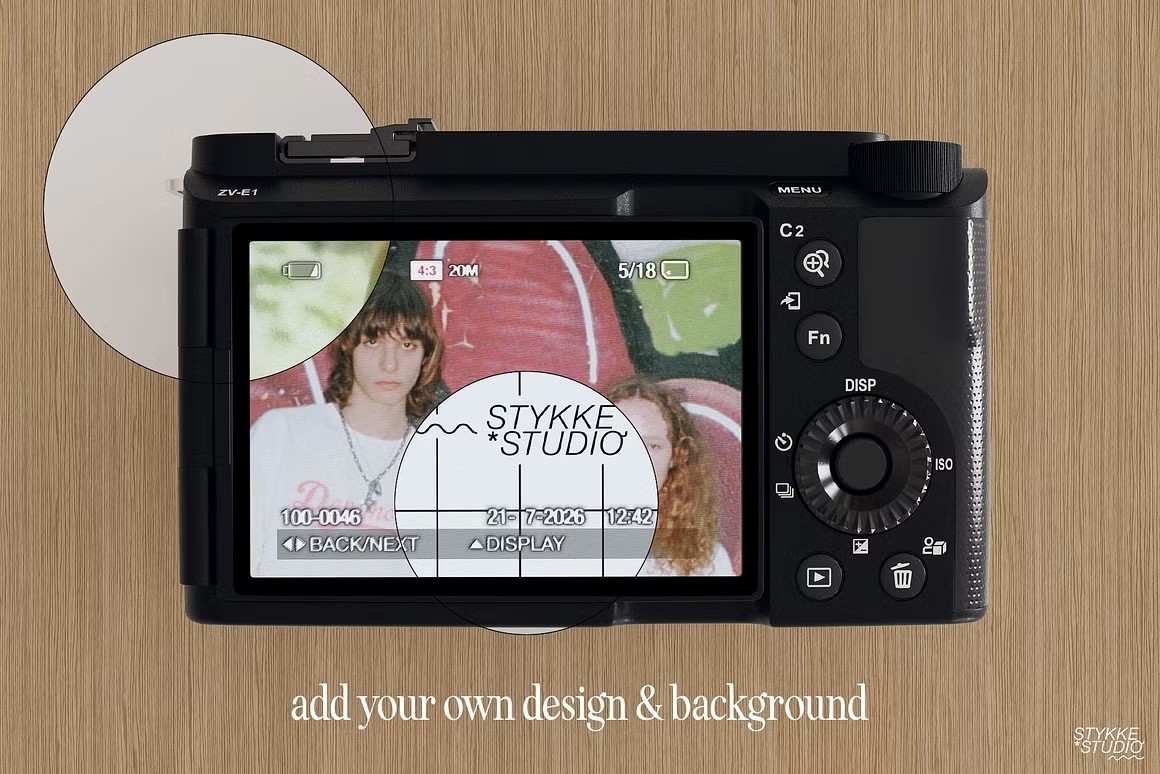
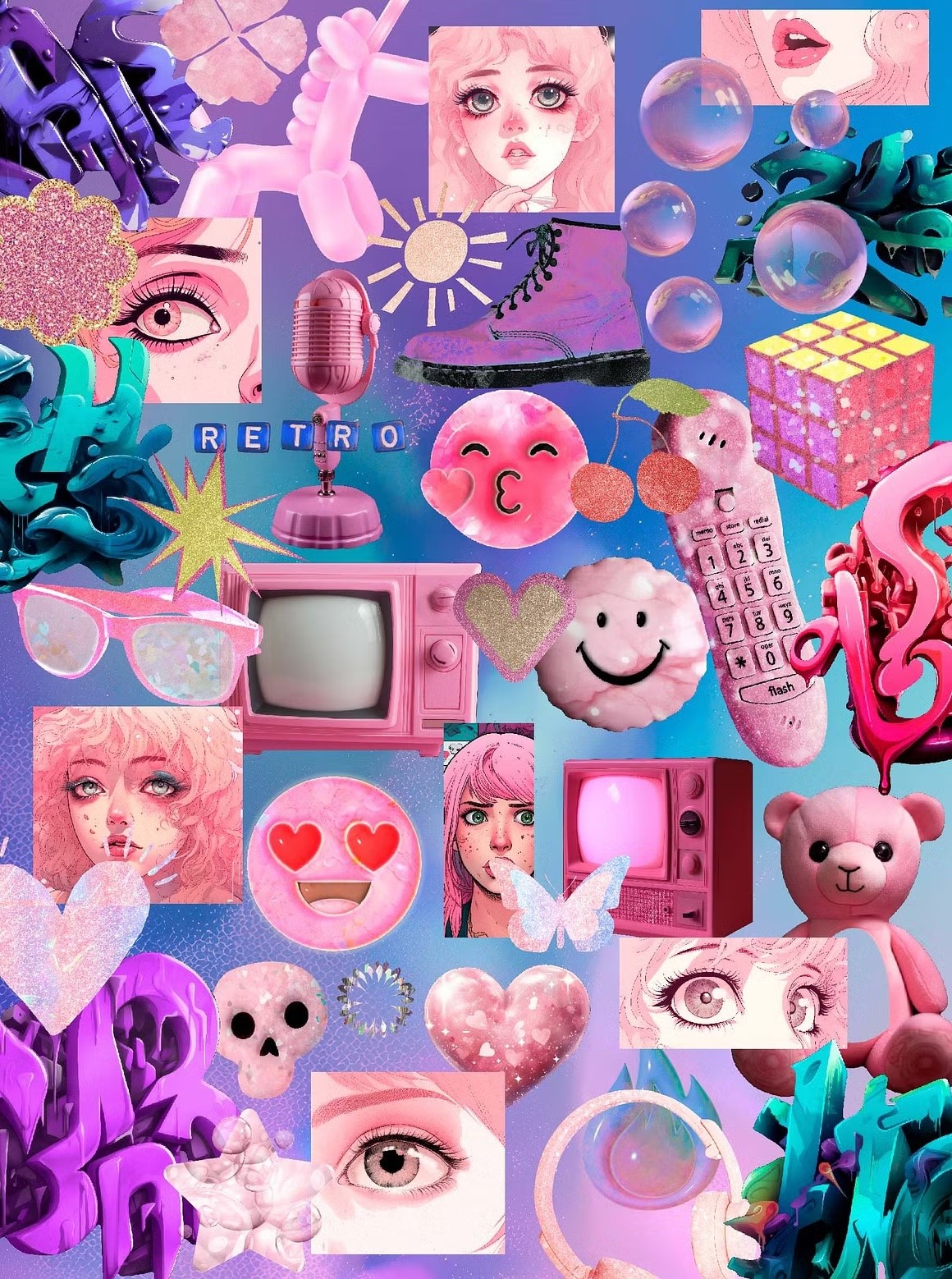
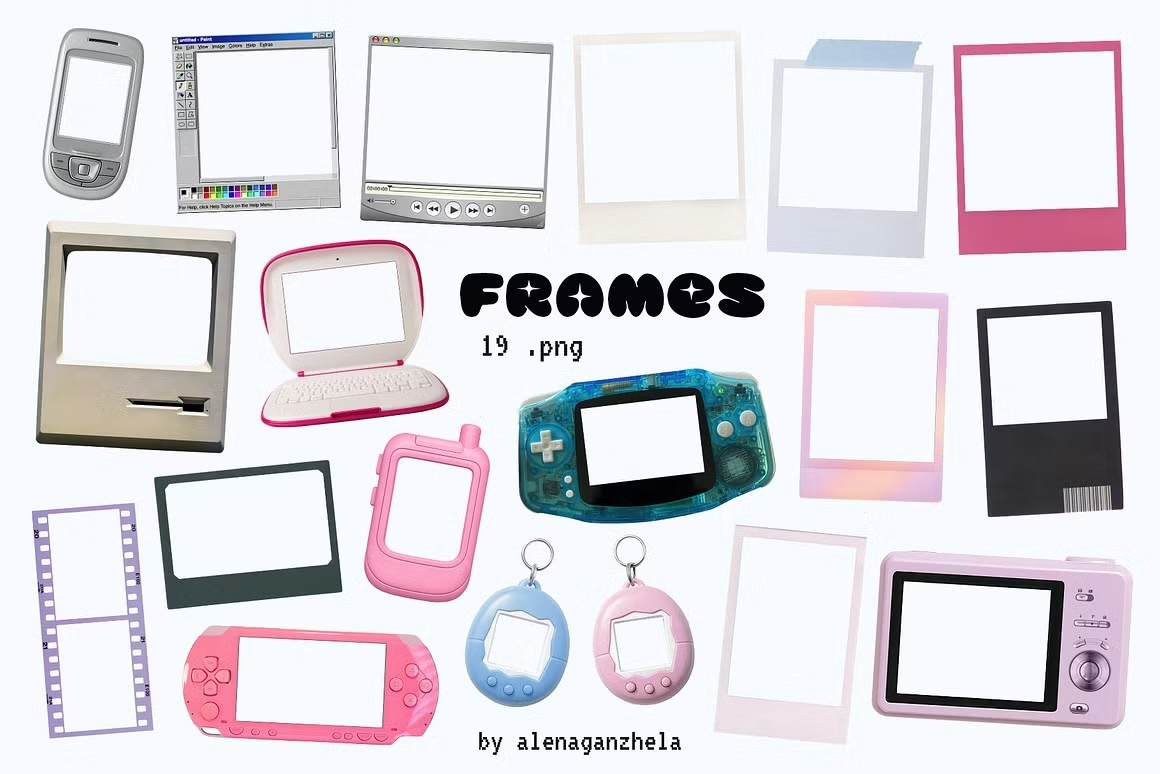
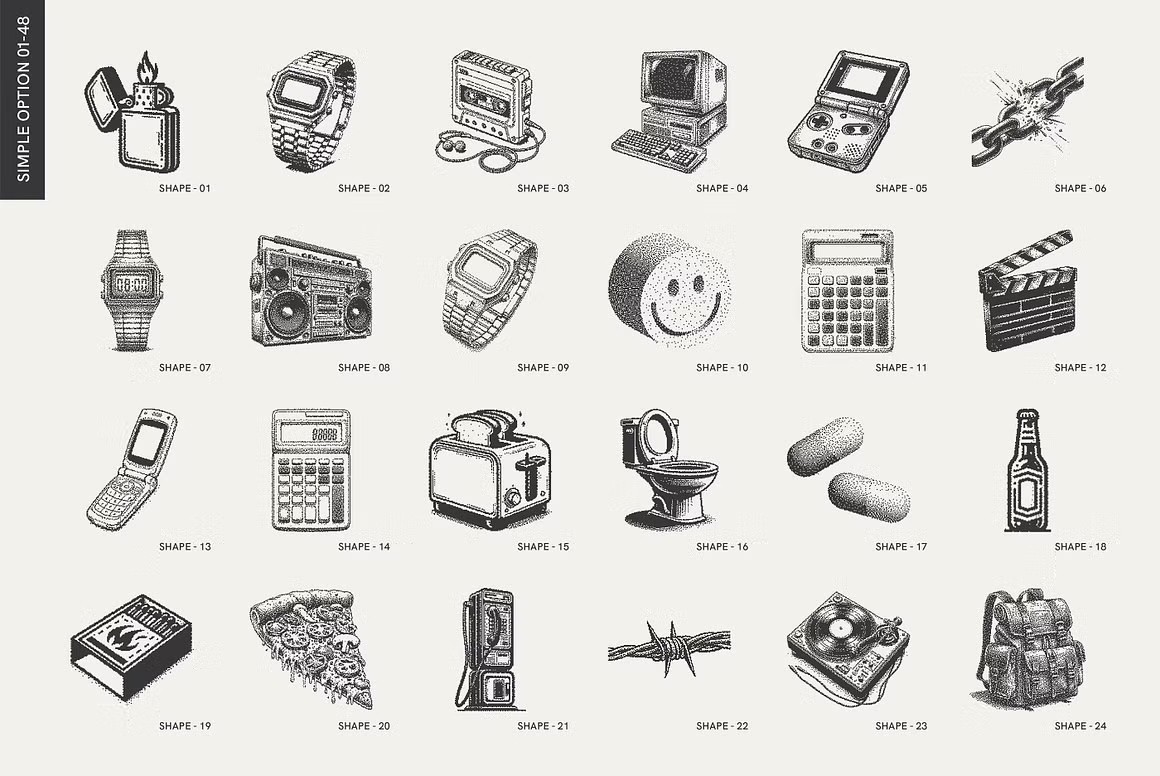
Gumball Memories is youth culture nostalgia as visual language, candy wrappers, sticker like shapes, toy packaging cues, and cluttered junk drawer collage. Think vector candy sets, device mockups with chunky hardware vibes, and scrapbook kits that treat everyday objects as icons. The energy is bright, collectible, and a little chaotic, more arcade aisle than museum wall.
There’s a certain “junk drawer collage” culture in this trend. Expect this childhood object culture and candy colors to show up in DTC packaging, merch, social stickers, event branding, and creator drops designed to feel like collectibles.
"I expect more bold color, playful nostalgia, and tactile details like hand-drawn textures and embroidery-style effects, especially in patterns and illustration."
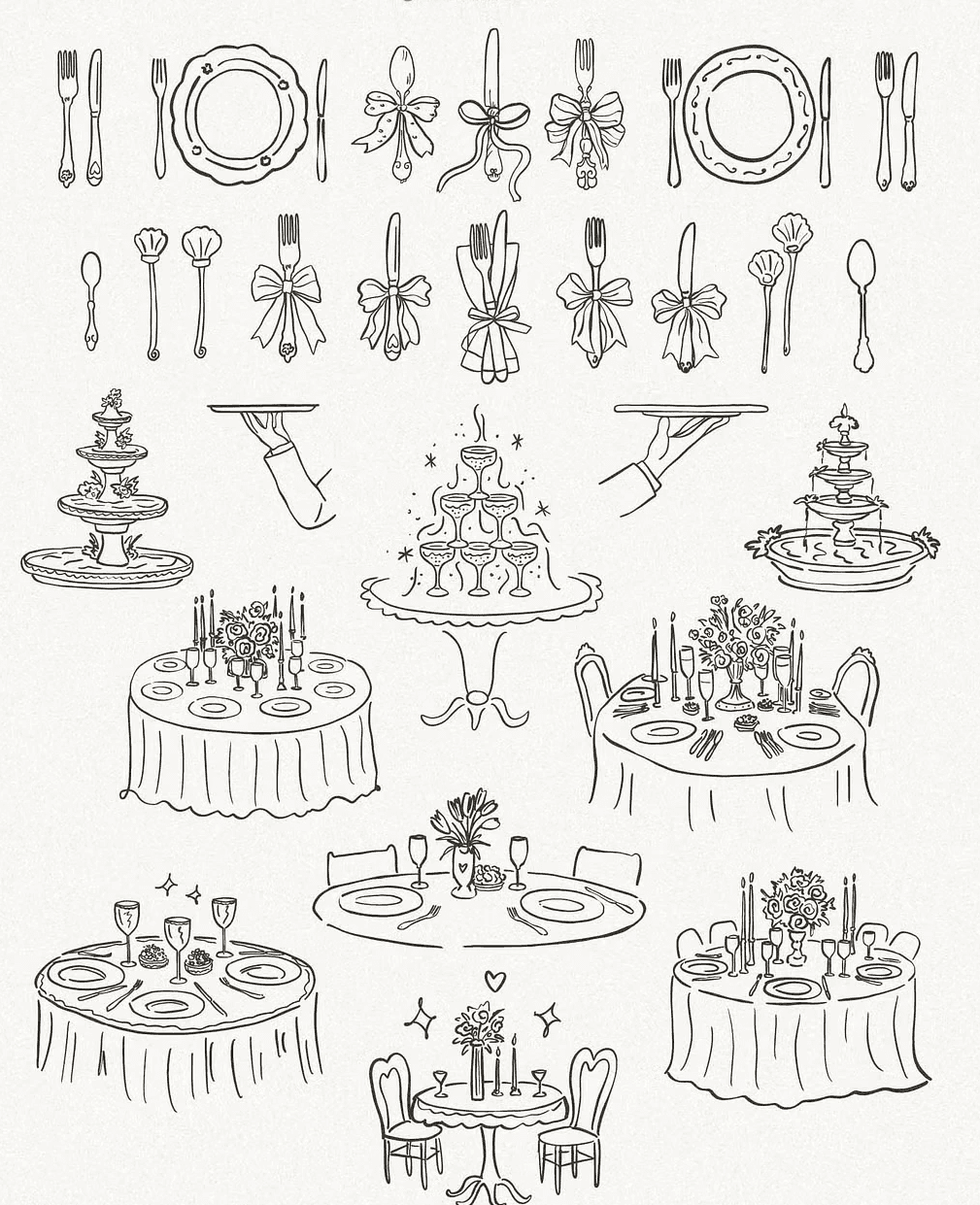
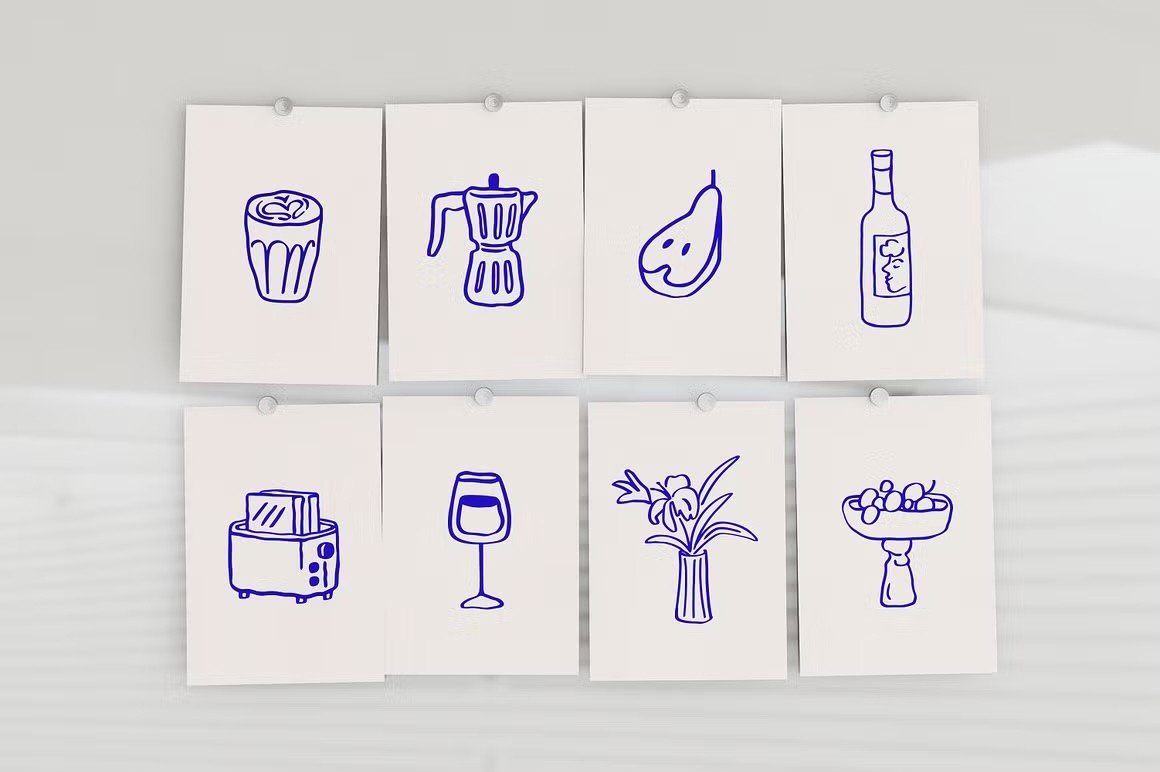
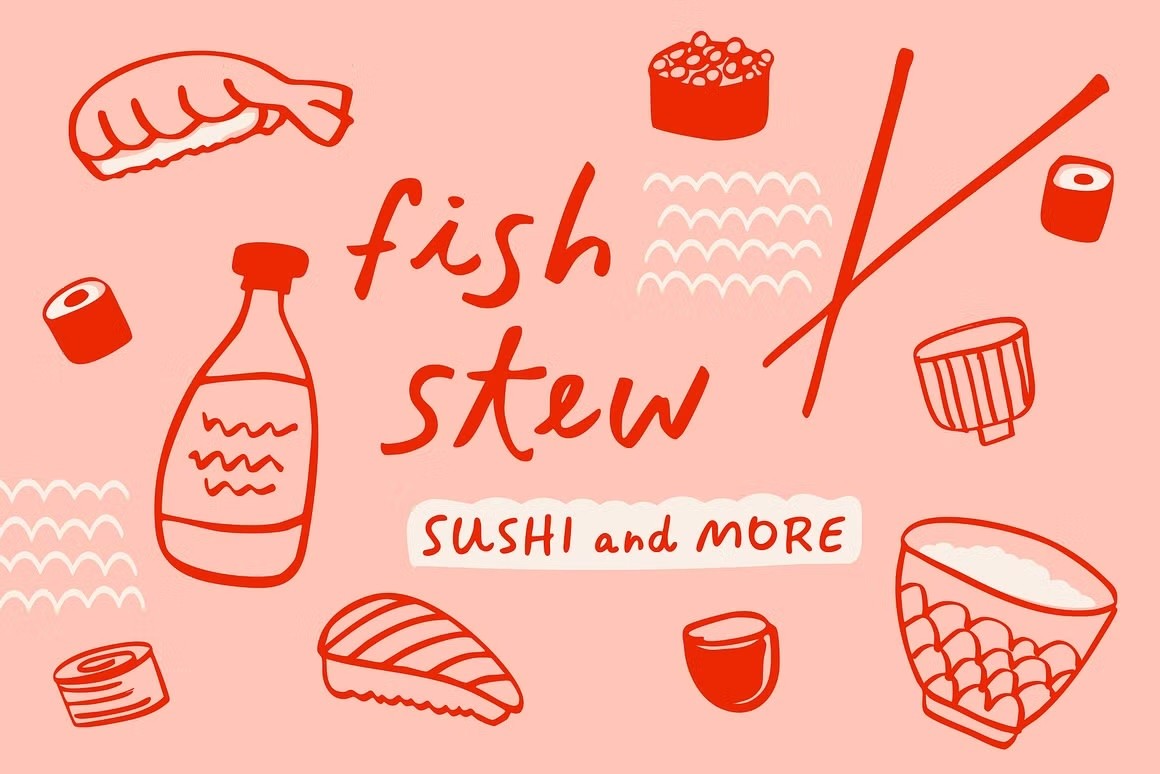
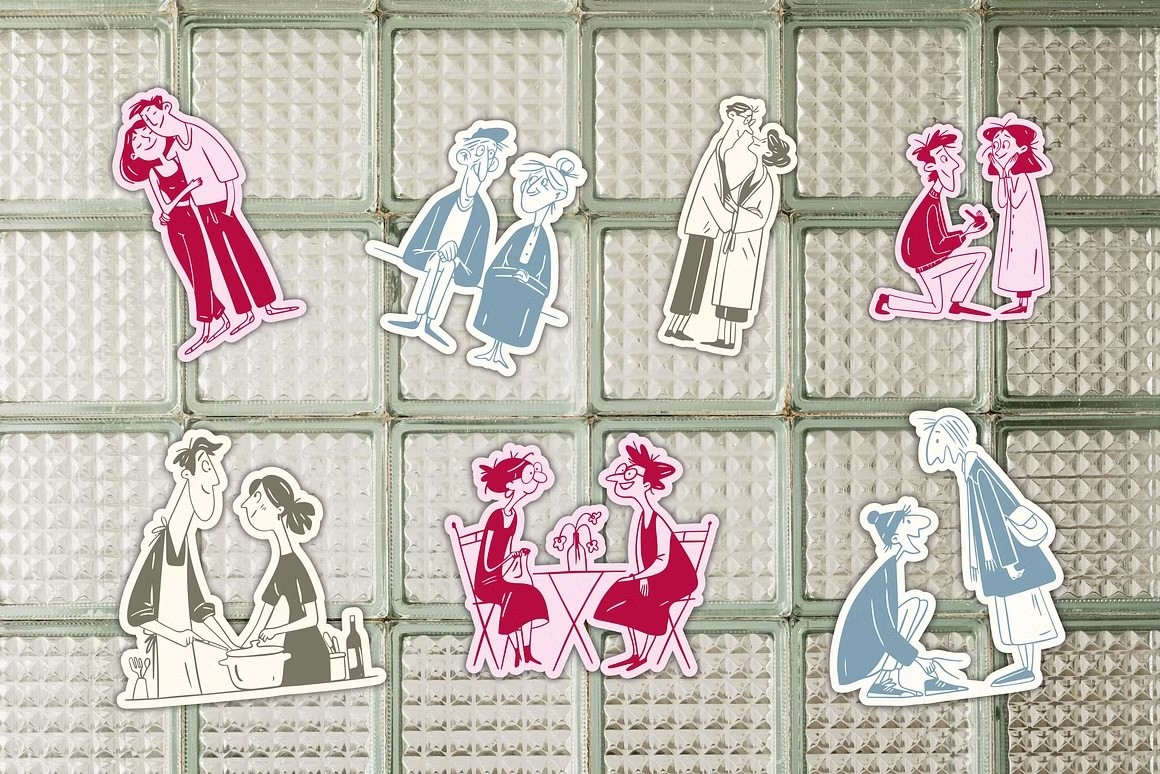
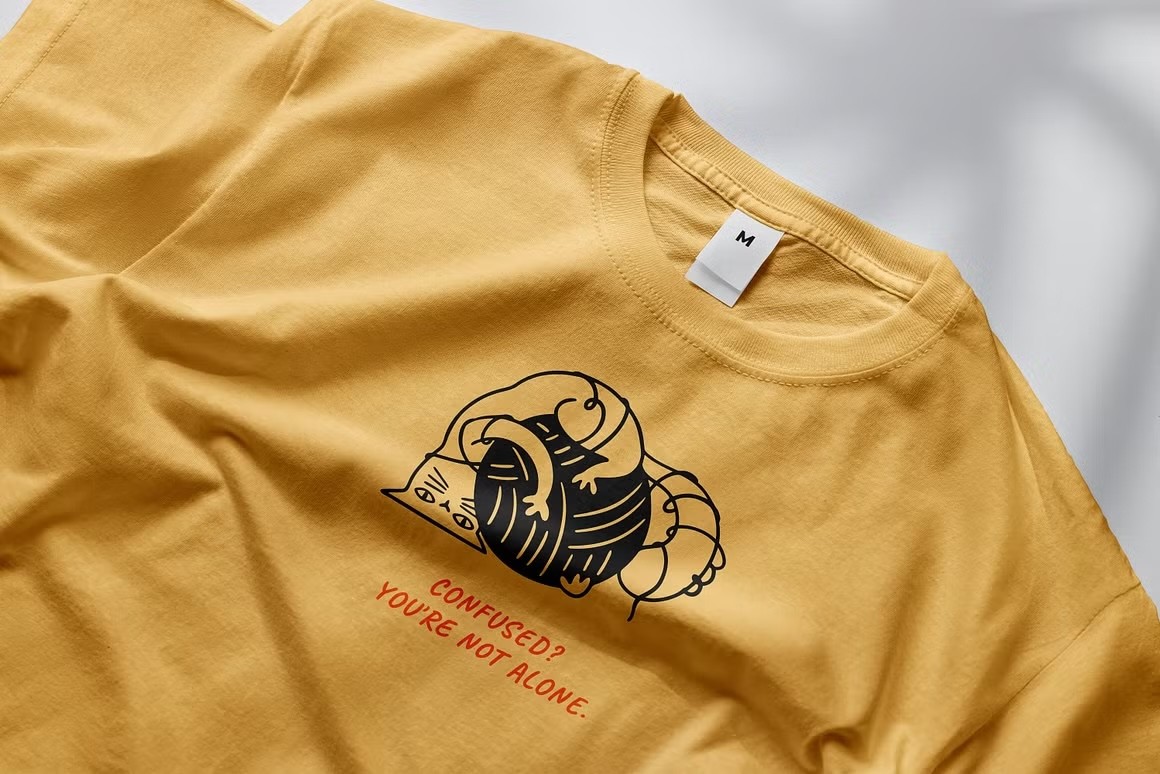
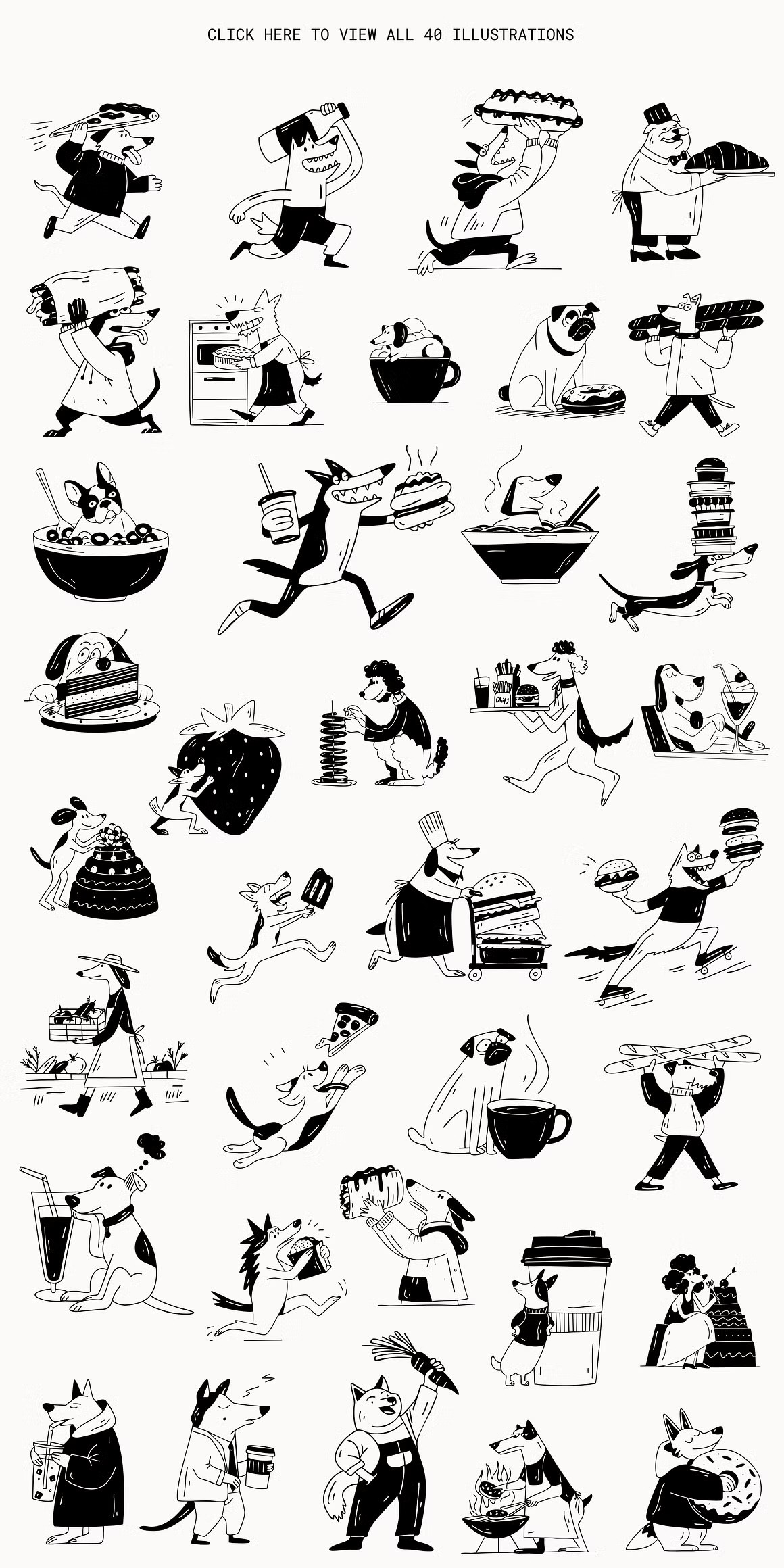
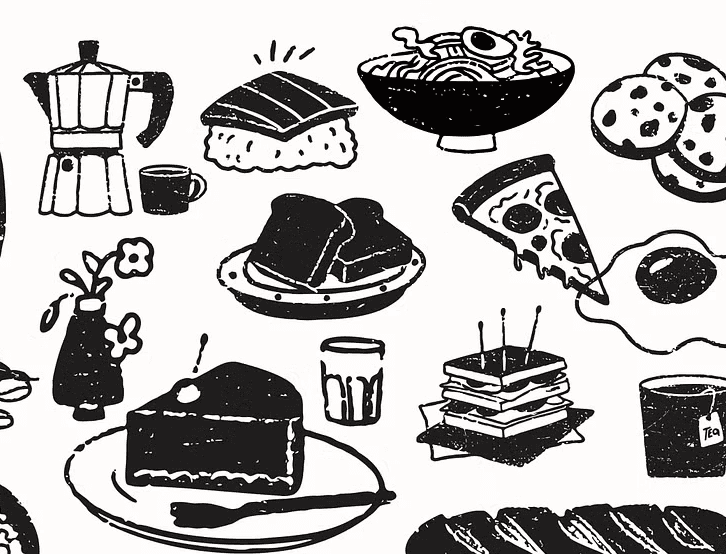
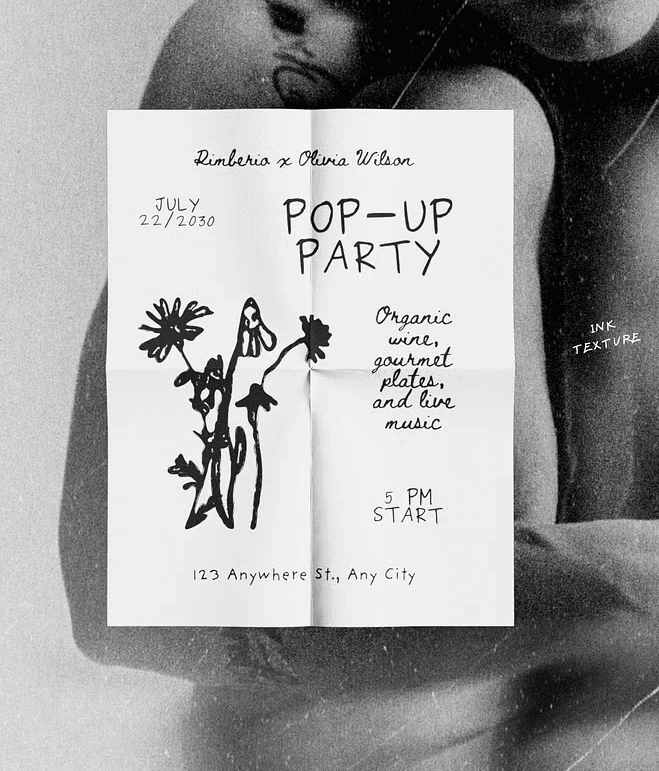
Hand-drawn Revival is linework that looks like it came from someone’s sketchbook, not a vector plugin. Breakfast doodles, bar icons, hand crafted font packs, and seamless repeats with character based motifs are all part of the trend. It pairs especially well with brand mascots and simple marks that can render well in packaging, social, and product UI.
Designers are leaning into irregularity, texture, and authored imperfections as a way to signal humanity. Expect more mascot systems, hand drawn icon sets, and illustrated packaging that feels personal and imperfect by design.
"There will be a stronger shift toward styles that feel more human, imperfect, and personal. Designers may rely more on hand-drawn elements, natural textures, and organic compositions to create work that stands out and feels emotionally genuine."
Most asked
questions